
June, 2026
now browsing by month
The Lost Hotels of Paris – Jack Gilbert
The Lord gives everything and charges
by taking it back. What a bargain.
Like being young for a while. We are
allowed to visit hearts of women,
to go into their bodies so we feel
no longer alone. We are permitted
romantic love with its bounty and half-life
of two years. It is right to mourn
for the small hotels of Paris that used to be
when we used to be. My mansard looking
down on Notre Dame every morning is gone,
and me listening to the bell at night.
Venice is no more. The best Greek Islands
have drowned in acceleration. But it’s the having
not the keeping that is the treasure.
Ginsberg came to my house one afternoon
and said he was giving up poetry
because it told lies, that language distorts.
I agreed, but asked what we have
that gets it right even that much.
We look up at the stars and they are
not there. We see the memory
of when they were, once upon a time.
And that too is more than enough.
Poetry
- A Dog Has Died – Pablo Neruda
- A Moment of Silence – Emmanuel Ortiz
- A Quiet Life – Baron Wormser
- A Reminder – found and slightly edited from the webpage of a Methodist Church
- A Wreath to the Fish – Nancy Willard
- Acceptance Speech After Setting the World Record in Goosebumps – Andrea Gibson
- Against the Odds – David Lerner
- Aimless Love – Billy Collins
- All’ve It – Matt Moberg
- Alone – Jack Gilbert
- Another Planet – Dunya Mikhail
- Be Kind, Rewind – Neil Silberblatt
- Big Conversation – Rosemerry Wahtola Trommer
- Black Momma Math – Kimberly Jae
- Boplicity or Jimmy Throws a Houseparty for Huey Newton – Daniel B. Summerhill
- Capitol Air – Allen Ginsburg
- Combat Primer – Charles Bukowski
- Crow – Doug Anderson
- Crow Blacker Than Ever – Ted Hughes
- Dear white people – Makhadzi Mudzweda
- Detour – Ruth Feldman
- Dismiss Whatever Insults Your Own Soul – Walt Whitman
- Do You Know What Today Is? – Danez Smith
- Don’t fall in love with a woman who reads – Martha Rivera-Garrido
- Failing and Flying – Jack Gilbert
- Feel Mo – Michael Korson
- Footprints In Your Heart – Eleanor Roosvelt
- For Calling the Spirit Back from Wandering the Earth in Its Human Feet – Joy Harjo
- Forgetfulness – Billy Collins
- Gate A-4 – Naomi Shihab Nye
- Georgics: Book I excerpt – Virgil
- God – Brian Doyle
- God Says Yes To Me – Kaylin Haught
- Growing Old – Emma Rosenberg
- Half-light – Dāshaun Washington
- Homesick: A Plea for Our Planet – Andrea Gibson
- How Poetry Comes to Me – Ruah Bull
- How She Heard It – Todd Davis
- How to Slay a Dragon – Rebecca Dupas
- I Talked to a Lady – Tanya Howden
- I Wish I Knew How It Would Feel to Be Free -Billy Taylor and Dick Dallas
- If You Knew – Ellen Bass
- Instructions before visiting Earth – James McCrae
- It Happens All the Time – Hafez
- KINDNESS – Naomi Shihab Nye
- Love at First Sight – Wisława Szymborska
- Love is Not All – Edna St. Vincent Millay
- Manifesto: The Mad Farmer Liberation Front – Wendell Berry
- Men – Maya Angelou
- Millennium Blessing – Stephen Levine
- my brain and heart divorced ~ john roedel
- My Country – Tony Hoagland
- Ode to Those Who Block Tunnels and Bridges – Sam Sax
- Old Man Eating Alone – Billy Collins
- Our Real Work – Wendell Berry
- Pilgrim at Tinker Creek excerpt – Annie Dillard
- Poetry – Pablo Neruda
- Prayer – Marie Howe
- Primer For Blacks – Gwendolyn Brooks
- Psalm for the Slightly Tilted – Ilya Kaminsky
- Record Player – Adrian Matejka
- Relax – Ellen Bass
- Shoveling Snow With Buddha – Billy Collins
- Sing and Pilot – Svitlana Povaliaieva
- Sleeping in the Forest – Mary Oliver
- Small Stack of Books – Blake Nelson
- Soliloquy of the Solipsist – Sylvia Plath
- Spider – Andrea Gibson
- spring – Safia Elhillo
- Squirrel – Lynn Ungar
- Tangled Up In Blue – Bob Dylan
- Telephone Booth (number 905 1/2) – Pedro Pietri
- The Best Poem Ever – Brian Doyle
- The Caveman’s Lament – Brian Bilston
- The Four Noble Truths – Jake Onami Agnew
- The Future – Rosemerry Wahtola Trommer
- The History of One Tough Motherfucker – Charles Bukowski
- The Holy Longing – J.W. von Goethe
- The Layers – Stanley Kunitz
- The Long Boat – Stanley Kunitz
- The Lost Hotels of Paris – Jack Gilbert
- The Moon is Full Tonight – Billy Collins
- The Shyness – Sharon Olds
- The Silence of the Stars – David Wagoner
- The U.N. Headquarters in the High Commissioner’s House in Jerusalem – Yehuda Amichai
- The War Works Hard – Dunya Mikhail
- The World is Both Burning and Blooming – Karen Salmansohn
- To Diego with Love – Frida Kalko
- Tryst with Death – Gina Puorro
- Two poems – Yehuda Amichai
- Two-bloods – Rolando Kattan
- Wage Peace – Mary Oliver
- War Primer – Bertholt Brecht
- We are the Trees – J Raymond
- We will meet, don’t be in such a rush – Hala alShrouf
- Wendell Berry – Enriching the Earth
- Wendell Berry – The Loved Ones
- Wendell Berry – Two Poems
- What I Learned From Listening to a Stutterer – Ellen Zorin
- What lips my lips have kissed, and where, and why – Edna St. Vincent Millay

Telephone Booth (number 905 1/2) – Pedro Pietri
woke up this morning
feeling excellent,
picked up the telephone
dialed the number of
my equal opportunity employer
to inform him I will not
be into work today
Are you feeling sick?
the boss asked me
No Sir I replied:
I am feeling too good
to report to work today,
if I feel sick tomorrow
I will come in early
Poetry
- A Dog Has Died – Pablo Neruda
- A Moment of Silence – Emmanuel Ortiz
- A Quiet Life – Baron Wormser
- A Reminder – found and slightly edited from the webpage of a Methodist Church
- A Wreath to the Fish – Nancy Willard
- Acceptance Speech After Setting the World Record in Goosebumps – Andrea Gibson
- Against the Odds – David Lerner
- Aimless Love – Billy Collins
- All’ve It – Matt Moberg
- Alone – Jack Gilbert
- Another Planet – Dunya Mikhail
- Be Kind, Rewind – Neil Silberblatt
- Big Conversation – Rosemerry Wahtola Trommer
- Black Momma Math – Kimberly Jae
- Boplicity or Jimmy Throws a Houseparty for Huey Newton – Daniel B. Summerhill
- Capitol Air – Allen Ginsburg
- Combat Primer – Charles Bukowski
- Crow – Doug Anderson
- Crow Blacker Than Ever – Ted Hughes
- Dear white people – Makhadzi Mudzweda
- Detour – Ruth Feldman
- Dismiss Whatever Insults Your Own Soul – Walt Whitman
- Do You Know What Today Is? – Danez Smith
- Don’t fall in love with a woman who reads – Martha Rivera-Garrido
- Failing and Flying – Jack Gilbert
- Feel Mo – Michael Korson
- Footprints In Your Heart – Eleanor Roosvelt
- For Calling the Spirit Back from Wandering the Earth in Its Human Feet – Joy Harjo
- Forgetfulness – Billy Collins
- Gate A-4 – Naomi Shihab Nye
- Georgics: Book I excerpt – Virgil
- God – Brian Doyle
- God Says Yes To Me – Kaylin Haught
- Growing Old – Emma Rosenberg
- Half-light – Dāshaun Washington
- Homesick: A Plea for Our Planet – Andrea Gibson
- How Poetry Comes to Me – Ruah Bull
- How She Heard It – Todd Davis
- How to Slay a Dragon – Rebecca Dupas
- I Talked to a Lady – Tanya Howden
- I Wish I Knew How It Would Feel to Be Free -Billy Taylor and Dick Dallas
- If You Knew – Ellen Bass
- Instructions before visiting Earth – James McCrae
- It Happens All the Time – Hafez
- KINDNESS – Naomi Shihab Nye
- Love at First Sight – Wisława Szymborska
- Love is Not All – Edna St. Vincent Millay
- Manifesto: The Mad Farmer Liberation Front – Wendell Berry
- Men – Maya Angelou
- Millennium Blessing – Stephen Levine
- my brain and heart divorced ~ john roedel
- My Country – Tony Hoagland
- Ode to Those Who Block Tunnels and Bridges – Sam Sax
- Old Man Eating Alone – Billy Collins
- Our Real Work – Wendell Berry
- Pilgrim at Tinker Creek excerpt – Annie Dillard
- Poetry – Pablo Neruda
- Prayer – Marie Howe
- Primer For Blacks – Gwendolyn Brooks
- Psalm for the Slightly Tilted – Ilya Kaminsky
- Record Player – Adrian Matejka
- Relax – Ellen Bass
- Shoveling Snow With Buddha – Billy Collins
- Sing and Pilot – Svitlana Povaliaieva
- Sleeping in the Forest – Mary Oliver
- Small Stack of Books – Blake Nelson
- Soliloquy of the Solipsist – Sylvia Plath
- Spider – Andrea Gibson
- spring – Safia Elhillo
- Squirrel – Lynn Ungar
- Tangled Up In Blue – Bob Dylan
- Telephone Booth (number 905 1/2) – Pedro Pietri
- The Best Poem Ever – Brian Doyle
- The Caveman’s Lament – Brian Bilston
- The Four Noble Truths – Jake Onami Agnew
- The Future – Rosemerry Wahtola Trommer
- The History of One Tough Motherfucker – Charles Bukowski
- The Holy Longing – J.W. von Goethe
- The Layers – Stanley Kunitz
- The Long Boat – Stanley Kunitz
- The Lost Hotels of Paris – Jack Gilbert
- The Moon is Full Tonight – Billy Collins
- The Shyness – Sharon Olds
- The Silence of the Stars – David Wagoner
- The U.N. Headquarters in the High Commissioner’s House in Jerusalem – Yehuda Amichai
- The War Works Hard – Dunya Mikhail
- The World is Both Burning and Blooming – Karen Salmansohn
- To Diego with Love – Frida Kalko
- Tryst with Death – Gina Puorro
- Two poems – Yehuda Amichai
- Two-bloods – Rolando Kattan
- Wage Peace – Mary Oliver
- War Primer – Bertholt Brecht
- We are the Trees – J Raymond
- We will meet, don’t be in such a rush – Hala alShrouf
- Wendell Berry – Enriching the Earth
- Wendell Berry – The Loved Ones
- Wendell Berry – Two Poems
- What I Learned From Listening to a Stutterer – Ellen Zorin
- What lips my lips have kissed, and where, and why – Edna St. Vincent Millay
Bridges
Here is an aspect of New York
The majestic city
On 153 St
Where heaven and earth come together
In six lane highways that never sleep
And graveyards
Where once people sleep forever
Where the most marvelous bridges
Span the most magnificent river
And a tiny lighthouse
Sits dwarfed beneath miraculous towers
Staring forever at the flowing Hudson
The boats at night
Illuminated beneath the beloved bridge
A miracle of correspondence
Uniter of states, of families
And regal palisades
Ancient gravestones sunk into soil
Reflect the moon on all Manhattan
The fish beneath the water
The fallen
Paintings brought home
From junkyards in France
Carvings and cravings
The expression of Africans
Books and bottles
Darkness and light
Consumed and consuming
Eternal, finite, beloved island
Home of the Weckquaesgeeks
Dancers and fish spearers
Nomadic hunters
Camped on the river
Making kettles of bark
In their canoes
Sacred Algonquin island
Decimated entirely in a holocaust
Wrought by greedy, armed, sick
Mercenaries and missionaries
Their sachem taken captive
Negotiates a treaty of peace
And the island is bought
From those who do not own it.
Generations and centuries flow by
And people live here still
Want to live here
In the millions
The soil good
The rivers rich
The hunting blessed
There are magnificent bridges
To what is known
And shall never be known
Where heaven and earth come together
In six lane highways
Along the river
POETRY
- 99 Gratitudes in 3 Minutes – A Yoga Chanting Poem
- A Climbing Poem
- A Poem is Born
- A Visit to the Cemetery
- After The News
- Alan
- Alan Is Dead
- American Wedding, 2011
- Ask the Sphinx – 2 approaches
- Baggage Claim
- Beach Plum Jam
- Beau Dies
- between spiders
- Beyond the Fishermen
- blood
- Bridges
- Burnt Wood – for Bubi
- Cheerio Box Speaks of Love
- Conversation With A Ladle
- Coyote in the Headlights
- Coyote in the House
- Crow’s Songs
- Daybreak
- Death Factories
- Death of the Dolphin
- Epistle
- Father’s 95th Birthday
- fathers await their sons
- Fire
- Flautist – inspired by George and Ira Gerswin
- Furry Bug
- Gospel of the Redwoods
- Homage to an Unattractive Woman
- Honored
- I Asked the Gods
- I Bow to Time
- I Couldn’t Find Today Today
- Insects in Amber
- It: In Honor of Dr. Seuss
- Journey to Standing Rock
- Kevin Garnett in Africa
- Life among the barbarians
- Long ago, perhaps yesterday
- Mandalay Hills
- Meeting the Dead Poet
- Mesquite Dunes
- Miles’ Ashes
- Miles’ Journey
- My First Yoga Teacher
- One Drop of Rain
- Salton Sea
- Self Love
- She Has Loved 100 Men
- Shivering in Majesty
- Sunrise
- The 80 Year Old Virgin
- The Blood Test
- The Furry Bug
- The Love Life of Clams
- The Visit
- Throwing Away
- Turn up for Turnips – a song
- Uncle Sol
- What The Stones Say
- when spring arrives ice flows out of the bay
- Whispering Among The Gods
- Willow
- Winter Fog
- Work and Love are What Really Matter: a reunion poem for the BHS class of 1958 reunion

Dear white people – Makhadzi Mudzweda
Dear white people:
I don’t even know where to start
In between my busy schedule comprised entirely of surviving white America
There is simply no time to write letters
Besides any letter I write will most likely bring tears to your very eyes and I for one have had my fill of white tears
There are days I think you are not worth my ink, that your whiteness is draining me of too much energy
Can’t give you a taste of tea for fear you’ll colonize the whole kitchen
But today I am too angry to remain silent
Dear white people:
Stop making everything about you and how uncomfortable you are
I honestly don’t care about your comfort level
You have made my very existence and exercise in discomfort
It is time for you to make room at the table
-Better yet go sit in the living room
I am not here to cuddle your feelings-
not here for your amusement
NO you cannot touch my hair
-its not a petting zoo
And stop coming into my office asking for the managers if you are not already looking at one
Dear white people:
Dear white people-
Stop telling me about this “COLOUR BLIND SOCIETY”
-you allegedly live in
-telling me you don’t see race is the racist drivel I hope you choke on
-Telling me you respect me, but don’t see my colour
Is like saying you have to pretend that “I AM NOT BLACK”
In order to respect me
But let me assure you
I AM BLACK ……though there are plenty of things I AM NOT
Like your sassy black friend
Stop saying “hey girl!”
When you see me
You aren’t that slick
I hear the way you talk to Becky and Steve everyday
You sound like vocation on Martha’s Vineyard … where you spent summers waiting in the bitter blue of the Atlantic
How I wish my toes could touch the ocean without stepping on the bones of ancestors
Dear white teachers
Why don’t I know whom my ancestors are
Why is only one part of my history important enough to teach
And for the love of the Creator
Stop swivelling your heads every time slavery is mentioned
… Newsflash, I was not there
And just because I am the only black person in this class
Does not mean you can ask me to speak on behalf of my race
I believe you really care about the opinion of black students when stop shutting down conversations because I call a white student racist
Dear white people:
Why do you hate being called racist more than you hate racism
Why do you listen to Tim Wise over actual black people about the actual black experience
_Dear white people:
Stop using black on black crimes as a reason we should not be outrage by the murder of black people by apartheid system
If a black person kills a black person
they will go to jail
AND THAT IS WHAT WE CALL JUSTICE
When the apartheid kills a black person,,, they will get paid leave
AND THAT IS WHAT WE CALL JUSTICE
Apparently JUSTICE is when a black body dies
Dear white people:
Everytime we write white
We have written it in lowercase letters
because we are tired of you capitalising on our pain
. We are angry
. And raw
. And tired
. And angry
. And raw
. And tired
. And tired
. And tired
But we will not rest because we know the future belongs to those who prepare for it
…..And you have been getting us ready for centuries
Poetry
- A Dog Has Died – Pablo Neruda
- A Moment of Silence – Emmanuel Ortiz
- A Quiet Life – Baron Wormser
- A Reminder – found and slightly edited from the webpage of a Methodist Church
- A Wreath to the Fish – Nancy Willard
- Acceptance Speech After Setting the World Record in Goosebumps – Andrea Gibson
- Against the Odds – David Lerner
- Aimless Love – Billy Collins
- All’ve It – Matt Moberg
- Alone – Jack Gilbert
- Another Planet – Dunya Mikhail
- Be Kind, Rewind – Neil Silberblatt
- Big Conversation – Rosemerry Wahtola Trommer
- Black Momma Math – Kimberly Jae
- Boplicity or Jimmy Throws a Houseparty for Huey Newton – Daniel B. Summerhill
- Capitol Air – Allen Ginsburg
- Combat Primer – Charles Bukowski
- Crow – Doug Anderson
- Crow Blacker Than Ever – Ted Hughes
- Dear white people – Makhadzi Mudzweda
- Detour – Ruth Feldman
- Dismiss Whatever Insults Your Own Soul – Walt Whitman
- Do You Know What Today Is? – Danez Smith
- Don’t fall in love with a woman who reads – Martha Rivera-Garrido
- Failing and Flying – Jack Gilbert
- Feel Mo – Michael Korson
- Footprints In Your Heart – Eleanor Roosvelt
- For Calling the Spirit Back from Wandering the Earth in Its Human Feet – Joy Harjo
- Forgetfulness – Billy Collins
- Gate A-4 – Naomi Shihab Nye
- Georgics: Book I excerpt – Virgil
- God – Brian Doyle
- God Says Yes To Me – Kaylin Haught
- Growing Old – Emma Rosenberg
- Half-light – Dāshaun Washington
- Homesick: A Plea for Our Planet – Andrea Gibson
- How Poetry Comes to Me – Ruah Bull
- How She Heard It – Todd Davis
- How to Slay a Dragon – Rebecca Dupas
- I Talked to a Lady – Tanya Howden
- I Wish I Knew How It Would Feel to Be Free -Billy Taylor and Dick Dallas
- If You Knew – Ellen Bass
- Instructions before visiting Earth – James McCrae
- It Happens All the Time – Hafez
- KINDNESS – Naomi Shihab Nye
- Love at First Sight – Wisława Szymborska
- Love is Not All – Edna St. Vincent Millay
- Manifesto: The Mad Farmer Liberation Front – Wendell Berry
- Men – Maya Angelou
- Millennium Blessing – Stephen Levine
- my brain and heart divorced ~ john roedel
- My Country – Tony Hoagland
- Ode to Those Who Block Tunnels and Bridges – Sam Sax
- Old Man Eating Alone – Billy Collins
- Our Real Work – Wendell Berry
- Pilgrim at Tinker Creek excerpt – Annie Dillard
- Poetry – Pablo Neruda
- Prayer – Marie Howe
- Primer For Blacks – Gwendolyn Brooks
- Psalm for the Slightly Tilted – Ilya Kaminsky
- Record Player – Adrian Matejka
- Relax – Ellen Bass
- Shoveling Snow With Buddha – Billy Collins
- Sing and Pilot – Svitlana Povaliaieva
- Sleeping in the Forest – Mary Oliver
- Small Stack of Books – Blake Nelson
- Soliloquy of the Solipsist – Sylvia Plath
- Spider – Andrea Gibson
- spring – Safia Elhillo
- Squirrel – Lynn Ungar
- Tangled Up In Blue – Bob Dylan
- Telephone Booth (number 905 1/2) – Pedro Pietri
- The Best Poem Ever – Brian Doyle
- The Caveman’s Lament – Brian Bilston
- The Four Noble Truths – Jake Onami Agnew
- The Future – Rosemerry Wahtola Trommer
- The History of One Tough Motherfucker – Charles Bukowski
- The Holy Longing – J.W. von Goethe
- The Layers – Stanley Kunitz
- The Long Boat – Stanley Kunitz
- The Lost Hotels of Paris – Jack Gilbert
- The Moon is Full Tonight – Billy Collins
- The Shyness – Sharon Olds
- The Silence of the Stars – David Wagoner
- The U.N. Headquarters in the High Commissioner’s House in Jerusalem – Yehuda Amichai
- The War Works Hard – Dunya Mikhail
- The World is Both Burning and Blooming – Karen Salmansohn
- To Diego with Love – Frida Kalko
- Tryst with Death – Gina Puorro
- Two poems – Yehuda Amichai
- Two-bloods – Rolando Kattan
- Wage Peace – Mary Oliver
- War Primer – Bertholt Brecht
- We are the Trees – J Raymond
- We will meet, don’t be in such a rush – Hala alShrouf
- Wendell Berry – Enriching the Earth
- Wendell Berry – The Loved Ones
- Wendell Berry – Two Poems
- What I Learned From Listening to a Stutterer – Ellen Zorin
- What lips my lips have kissed, and where, and why – Edna St. Vincent Millay
The U.N. Headquarters in the High Commissioner’s House in Jerusalem – Yehuda Amichai
The mediators, the peacemakers,
the compromise-shapers, the comforters
live in the white house
and get their nourishment from far away,
through winding pipes,
through dark veins,
like a fetus.
Their secretaries are lip sticked and laughing.
Their sturdy chauffeurs wait below,
like horses in a stable,
and the trees that shade them
have their roots in no-man’s land
and the illusions are children
who went out to find cyclamen
and did not come back.
My thoughts pass overhead,
restless, like reconnaissance planes,
and take photos
and develop them in dark sad rooms.
And I know they have heavy chandeliers
and the boy-I-was sits on them
and swings out and back,
out and back,
out till there’s no coming back.
Later on night will arrive
to draw rusty and bent conclusions
from our old lives,
and over all the houses
a melody will gather the scattered word
like a hand gathering crumbs
upon a table after the meal,
when the talk continues
and the children are asleep.
And hopes come to me like bold seafarers,
like the discoverers of continents coming to an island,
and stay for a day or two and rest…
And then again set sail.
.
Poetry
- A Dog Has Died – Pablo Neruda
- A Moment of Silence – Emmanuel Ortiz
- A Quiet Life – Baron Wormser
- A Reminder – found and slightly edited from the webpage of a Methodist Church
- A Wreath to the Fish – Nancy Willard
- Acceptance Speech After Setting the World Record in Goosebumps – Andrea Gibson
- Against the Odds – David Lerner
- Aimless Love – Billy Collins
- All’ve It – Matt Moberg
- Alone – Jack Gilbert
- Another Planet – Dunya Mikhail
- Be Kind, Rewind – Neil Silberblatt
- Big Conversation – Rosemerry Wahtola Trommer
- Black Momma Math – Kimberly Jae
- Boplicity or Jimmy Throws a Houseparty for Huey Newton – Daniel B. Summerhill
- Capitol Air – Allen Ginsburg
- Combat Primer – Charles Bukowski
- Crow – Doug Anderson
- Crow Blacker Than Ever – Ted Hughes
- Dear white people – Makhadzi Mudzweda
- Detour – Ruth Feldman
- Dismiss Whatever Insults Your Own Soul – Walt Whitman
- Do You Know What Today Is? – Danez Smith
- Don’t fall in love with a woman who reads – Martha Rivera-Garrido
- Failing and Flying – Jack Gilbert
- Feel Mo – Michael Korson
- Footprints In Your Heart – Eleanor Roosvelt
- For Calling the Spirit Back from Wandering the Earth in Its Human Feet – Joy Harjo
- Forgetfulness – Billy Collins
- Gate A-4 – Naomi Shihab Nye
- Georgics: Book I excerpt – Virgil
- God – Brian Doyle
- God Says Yes To Me – Kaylin Haught
- Growing Old – Emma Rosenberg
- Half-light – Dāshaun Washington
- Homesick: A Plea for Our Planet – Andrea Gibson
- How Poetry Comes to Me – Ruah Bull
- How She Heard It – Todd Davis
- How to Slay a Dragon – Rebecca Dupas
- I Talked to a Lady – Tanya Howden
- I Wish I Knew How It Would Feel to Be Free -Billy Taylor and Dick Dallas
- If You Knew – Ellen Bass
- Instructions before visiting Earth – James McCrae
- It Happens All the Time – Hafez
- KINDNESS – Naomi Shihab Nye
- Love at First Sight – Wisława Szymborska
- Love is Not All – Edna St. Vincent Millay
- Manifesto: The Mad Farmer Liberation Front – Wendell Berry
- Men – Maya Angelou
- Millennium Blessing – Stephen Levine
- my brain and heart divorced ~ john roedel
- My Country – Tony Hoagland
- Ode to Those Who Block Tunnels and Bridges – Sam Sax
- Old Man Eating Alone – Billy Collins
- Our Real Work – Wendell Berry
- Pilgrim at Tinker Creek excerpt – Annie Dillard
- Poetry – Pablo Neruda
- Prayer – Marie Howe
- Primer For Blacks – Gwendolyn Brooks
- Psalm for the Slightly Tilted – Ilya Kaminsky
- Record Player – Adrian Matejka
- Relax – Ellen Bass
- Shoveling Snow With Buddha – Billy Collins
- Sing and Pilot – Svitlana Povaliaieva
- Sleeping in the Forest – Mary Oliver
- Small Stack of Books – Blake Nelson
- Soliloquy of the Solipsist – Sylvia Plath
- Spider – Andrea Gibson
- spring – Safia Elhillo
- Squirrel – Lynn Ungar
- Tangled Up In Blue – Bob Dylan
- Telephone Booth (number 905 1/2) – Pedro Pietri
- The Best Poem Ever – Brian Doyle
- The Caveman’s Lament – Brian Bilston
- The Four Noble Truths – Jake Onami Agnew
- The Future – Rosemerry Wahtola Trommer
- The History of One Tough Motherfucker – Charles Bukowski
- The Holy Longing – J.W. von Goethe
- The Layers – Stanley Kunitz
- The Long Boat – Stanley Kunitz
- The Lost Hotels of Paris – Jack Gilbert
- The Moon is Full Tonight – Billy Collins
- The Shyness – Sharon Olds
- The Silence of the Stars – David Wagoner
- The U.N. Headquarters in the High Commissioner’s House in Jerusalem – Yehuda Amichai
- The War Works Hard – Dunya Mikhail
- The World is Both Burning and Blooming – Karen Salmansohn
- To Diego with Love – Frida Kalko
- Tryst with Death – Gina Puorro
- Two poems – Yehuda Amichai
- Two-bloods – Rolando Kattan
- Wage Peace – Mary Oliver
- War Primer – Bertholt Brecht
- We are the Trees – J Raymond
- We will meet, don’t be in such a rush – Hala alShrouf
- Wendell Berry – Enriching the Earth
- Wendell Berry – The Loved Ones
- Wendell Berry – Two Poems
- What I Learned From Listening to a Stutterer – Ellen Zorin
- What lips my lips have kissed, and where, and why – Edna St. Vincent Millay
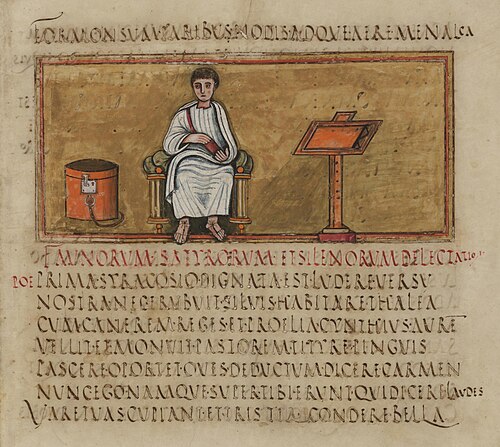
Georgics: Book I excerpt – Virgil
Rain never takes men unawares:
either the cranes, airborne, fly before it, as it reaches
the valley’s depths, or a heifer looks up at the sky
and sniffs the air with nostrils spread,
or the swallows twitter circling the pools,
and the frogs in the mud croak their ancient lament.
And often the ant, beating out a narrow track,
brings eggs from an innermost nest, and a huge rainbow
drinks, and a great troop of rooks leaving the fields
beat their wings together densely, in ranks.
Then the cruel raven’s deep cry calls up the rain,
and, alone with himself, he walks the dry sands.
Even girls, spinning, at their nocturnal task, have not failed
to note the coming storm, seeing the oil sputter
in the fiery lamp, and a clot of soot gather on the wick.
No less, after rain, do we predict sunlight and clear skies,
and recognize fair weather by certain signs:
since the stars’ sharp edges are not obscured
and the Moon rises, not dimmed by her brother’s rays,
and thin fleecy clouds no longer drift across the sky:
But the mists seek out the valleys more, and settle
on the plains, and the owl, watching the sunset
from some high hill, gives out its twilight calls in vain.
Now the rooks repeat their clear calls, three or four times,
with narrowed throats, and often caw to themselves
in their high nests among the leaves, delighting
in some unusual pleasantry: they’re glad, the rain over,
to see their sweet nests and their little chicks again:
not that I think they have divine wisdom
or greater knowledge of the workings of Fate:
but when the weather changes, and the rain from fickle skies,
and Jupiter, among the wet South winds, makes what was now
rarefied, dense, and makes dense what was rarefied,
ideas in their minds alter, and their hearts feel differently,
differently to when the wind was chasing the clouds.
So that chorus of birds in the fields, the delight
of the cattle, the triumphant cries of the rooks.
Poetry
- A Dog Has Died – Pablo Neruda
- A Moment of Silence – Emmanuel Ortiz
- A Quiet Life – Baron Wormser
- A Reminder – found and slightly edited from the webpage of a Methodist Church
- A Wreath to the Fish – Nancy Willard
- Acceptance Speech After Setting the World Record in Goosebumps – Andrea Gibson
- Against the Odds – David Lerner
- Aimless Love – Billy Collins
- All’ve It – Matt Moberg
- Alone – Jack Gilbert
- Another Planet – Dunya Mikhail
- Be Kind, Rewind – Neil Silberblatt
- Big Conversation – Rosemerry Wahtola Trommer
- Black Momma Math – Kimberly Jae
- Boplicity or Jimmy Throws a Houseparty for Huey Newton – Daniel B. Summerhill
- Capitol Air – Allen Ginsburg
- Combat Primer – Charles Bukowski
- Crow – Doug Anderson
- Crow Blacker Than Ever – Ted Hughes
- Dear white people – Makhadzi Mudzweda
- Detour – Ruth Feldman
- Dismiss Whatever Insults Your Own Soul – Walt Whitman
- Do You Know What Today Is? – Danez Smith
- Don’t fall in love with a woman who reads – Martha Rivera-Garrido
- Failing and Flying – Jack Gilbert
- Feel Mo – Michael Korson
- Footprints In Your Heart – Eleanor Roosvelt
- For Calling the Spirit Back from Wandering the Earth in Its Human Feet – Joy Harjo
- Forgetfulness – Billy Collins
- Gate A-4 – Naomi Shihab Nye
- Georgics: Book I excerpt – Virgil
- God – Brian Doyle
- God Says Yes To Me – Kaylin Haught
- Growing Old – Emma Rosenberg
- Half-light – Dāshaun Washington
- Homesick: A Plea for Our Planet – Andrea Gibson
- How Poetry Comes to Me – Ruah Bull
- How She Heard It – Todd Davis
- How to Slay a Dragon – Rebecca Dupas
- I Talked to a Lady – Tanya Howden
- I Wish I Knew How It Would Feel to Be Free -Billy Taylor and Dick Dallas
- If You Knew – Ellen Bass
- Instructions before visiting Earth – James McCrae
- It Happens All the Time – Hafez
- KINDNESS – Naomi Shihab Nye
- Love at First Sight – Wisława Szymborska
- Love is Not All – Edna St. Vincent Millay
- Manifesto: The Mad Farmer Liberation Front – Wendell Berry
- Men – Maya Angelou
- Millennium Blessing – Stephen Levine
- my brain and heart divorced ~ john roedel
- My Country – Tony Hoagland
- Ode to Those Who Block Tunnels and Bridges – Sam Sax
- Old Man Eating Alone – Billy Collins
- Our Real Work – Wendell Berry
- Pilgrim at Tinker Creek excerpt – Annie Dillard
- Poetry – Pablo Neruda
- Prayer – Marie Howe
- Primer For Blacks – Gwendolyn Brooks
- Psalm for the Slightly Tilted – Ilya Kaminsky
- Record Player – Adrian Matejka
- Relax – Ellen Bass
- Shoveling Snow With Buddha – Billy Collins
- Sing and Pilot – Svitlana Povaliaieva
- Sleeping in the Forest – Mary Oliver
- Small Stack of Books – Blake Nelson
- Soliloquy of the Solipsist – Sylvia Plath
- Spider – Andrea Gibson
- spring – Safia Elhillo
- Squirrel – Lynn Ungar
- Tangled Up In Blue – Bob Dylan
- Telephone Booth (number 905 1/2) – Pedro Pietri
- The Best Poem Ever – Brian Doyle
- The Caveman’s Lament – Brian Bilston
- The Four Noble Truths – Jake Onami Agnew
- The Future – Rosemerry Wahtola Trommer
- The History of One Tough Motherfucker – Charles Bukowski
- The Holy Longing – J.W. von Goethe
- The Layers – Stanley Kunitz
- The Long Boat – Stanley Kunitz
- The Lost Hotels of Paris – Jack Gilbert
- The Moon is Full Tonight – Billy Collins
- The Shyness – Sharon Olds
- The Silence of the Stars – David Wagoner
- The U.N. Headquarters in the High Commissioner’s House in Jerusalem – Yehuda Amichai
- The War Works Hard – Dunya Mikhail
- The World is Both Burning and Blooming – Karen Salmansohn
- To Diego with Love – Frida Kalko
- Tryst with Death – Gina Puorro
- Two poems – Yehuda Amichai
- Two-bloods – Rolando Kattan
- Wage Peace – Mary Oliver
- War Primer – Bertholt Brecht
- We are the Trees – J Raymond
- We will meet, don’t be in such a rush – Hala alShrouf
- Wendell Berry – Enriching the Earth
- Wendell Berry – The Loved Ones
- Wendell Berry – Two Poems
- What I Learned From Listening to a Stutterer – Ellen Zorin
- What lips my lips have kissed, and where, and why – Edna St. Vincent Millay
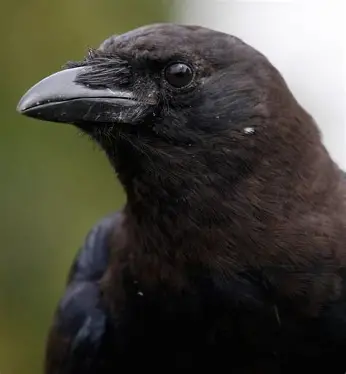
Crow – Doug Anderson
Crows
Hunch in the trees
to gossip
about God and his inexorable
experimenting,
about deer guts and fish so stupid
you could sell them air
and how out in the deserts
there’s a dog called coyote
with their mind
but no wings.
Crow with Iroquois hair.
Crow with a wisecrack for everybody,
Crow with his beak
thrust through a bun,
the paper still clinging.
Then one says something
and they all leave,
complaining
the trees are not what they used to be.
Crow with oilslick eyes.
Crow with a knife
sheathed in a shark’s fin.
Crow
in a midnight blue suit
standing in front of a judge:
Your Honor, I didn’t
kill him, just ate him
and I wasn’t impressed.
Poetry
- A Dog Has Died – Pablo Neruda
- A Moment of Silence – Emmanuel Ortiz
- A Quiet Life – Baron Wormser
- A Reminder – found and slightly edited from the webpage of a Methodist Church
- A Wreath to the Fish – Nancy Willard
- Acceptance Speech After Setting the World Record in Goosebumps – Andrea Gibson
- Against the Odds – David Lerner
- Aimless Love – Billy Collins
- All’ve It – Matt Moberg
- Alone – Jack Gilbert
- Another Planet – Dunya Mikhail
- Be Kind, Rewind – Neil Silberblatt
- Big Conversation – Rosemerry Wahtola Trommer
- Black Momma Math – Kimberly Jae
- Boplicity or Jimmy Throws a Houseparty for Huey Newton – Daniel B. Summerhill
- Capitol Air – Allen Ginsburg
- Combat Primer – Charles Bukowski
- Crow – Doug Anderson
- Crow Blacker Than Ever – Ted Hughes
- Dear white people – Makhadzi Mudzweda
- Detour – Ruth Feldman
- Dismiss Whatever Insults Your Own Soul – Walt Whitman
- Do You Know What Today Is? – Danez Smith
- Don’t fall in love with a woman who reads – Martha Rivera-Garrido
- Failing and Flying – Jack Gilbert
- Feel Mo – Michael Korson
- Footprints In Your Heart – Eleanor Roosvelt
- For Calling the Spirit Back from Wandering the Earth in Its Human Feet – Joy Harjo
- Forgetfulness – Billy Collins
- Gate A-4 – Naomi Shihab Nye
- Georgics: Book I excerpt – Virgil
- God – Brian Doyle
- God Says Yes To Me – Kaylin Haught
- Growing Old – Emma Rosenberg
- Half-light – Dāshaun Washington
- Homesick: A Plea for Our Planet – Andrea Gibson
- How Poetry Comes to Me – Ruah Bull
- How She Heard It – Todd Davis
- How to Slay a Dragon – Rebecca Dupas
- I Talked to a Lady – Tanya Howden
- I Wish I Knew How It Would Feel to Be Free -Billy Taylor and Dick Dallas
- If You Knew – Ellen Bass
- Instructions before visiting Earth – James McCrae
- It Happens All the Time – Hafez
- KINDNESS – Naomi Shihab Nye
- Love at First Sight – Wisława Szymborska
- Love is Not All – Edna St. Vincent Millay
- Manifesto: The Mad Farmer Liberation Front – Wendell Berry
- Men – Maya Angelou
- Millennium Blessing – Stephen Levine
- my brain and heart divorced ~ john roedel
- My Country – Tony Hoagland
- Ode to Those Who Block Tunnels and Bridges – Sam Sax
- Old Man Eating Alone – Billy Collins
- Our Real Work – Wendell Berry
- Pilgrim at Tinker Creek excerpt – Annie Dillard
- Poetry – Pablo Neruda
- Prayer – Marie Howe
- Primer For Blacks – Gwendolyn Brooks
- Psalm for the Slightly Tilted – Ilya Kaminsky
- Record Player – Adrian Matejka
- Relax – Ellen Bass
- Shoveling Snow With Buddha – Billy Collins
- Sing and Pilot – Svitlana Povaliaieva
- Sleeping in the Forest – Mary Oliver
- Small Stack of Books – Blake Nelson
- Soliloquy of the Solipsist – Sylvia Plath
- Spider – Andrea Gibson
- spring – Safia Elhillo
- Squirrel – Lynn Ungar
- Tangled Up In Blue – Bob Dylan
- Telephone Booth (number 905 1/2) – Pedro Pietri
- The Best Poem Ever – Brian Doyle
- The Caveman’s Lament – Brian Bilston
- The Four Noble Truths – Jake Onami Agnew
- The Future – Rosemerry Wahtola Trommer
- The History of One Tough Motherfucker – Charles Bukowski
- The Holy Longing – J.W. von Goethe
- The Layers – Stanley Kunitz
- The Long Boat – Stanley Kunitz
- The Lost Hotels of Paris – Jack Gilbert
- The Moon is Full Tonight – Billy Collins
- The Shyness – Sharon Olds
- The Silence of the Stars – David Wagoner
- The U.N. Headquarters in the High Commissioner’s House in Jerusalem – Yehuda Amichai
- The War Works Hard – Dunya Mikhail
- The World is Both Burning and Blooming – Karen Salmansohn
- To Diego with Love – Frida Kalko
- Tryst with Death – Gina Puorro
- Two poems – Yehuda Amichai
- Two-bloods – Rolando Kattan
- Wage Peace – Mary Oliver
- War Primer – Bertholt Brecht
- We are the Trees – J Raymond
- We will meet, don’t be in such a rush – Hala alShrouf
- Wendell Berry – Enriching the Earth
- Wendell Berry – The Loved Ones
- Wendell Berry – Two Poems
- What I Learned From Listening to a Stutterer – Ellen Zorin
- What lips my lips have kissed, and where, and why – Edna St. Vincent Millay
It Happens All the Time – Hafez
It happens all the time in heaven,
And some day
It will begin to happen
Again on earth –
That men and women who are married,
And men and men who are
Lovers,
And women and women
Who give each other
Light,
Often will get down on their knees
And while so tenderly
Holding their lover’s hand,
With tear-filled eyes,
Will sincerely speak, saying,
“My dear,
How can I be more loving to you;
How can I be more kind?”

Poetry
- A Dog Has Died – Pablo Neruda
- A Moment of Silence – Emmanuel Ortiz
- A Quiet Life – Baron Wormser
- A Reminder – found and slightly edited from the webpage of a Methodist Church
- A Wreath to the Fish – Nancy Willard
- Acceptance Speech After Setting the World Record in Goosebumps – Andrea Gibson
- Against the Odds – David Lerner
- Aimless Love – Billy Collins
- All’ve It – Matt Moberg
- Alone – Jack Gilbert
- Another Planet – Dunya Mikhail
- Be Kind, Rewind – Neil Silberblatt
- Big Conversation – Rosemerry Wahtola Trommer
- Black Momma Math – Kimberly Jae
- Boplicity or Jimmy Throws a Houseparty for Huey Newton – Daniel B. Summerhill
- Capitol Air – Allen Ginsburg
- Combat Primer – Charles Bukowski
- Crow – Doug Anderson
- Crow Blacker Than Ever – Ted Hughes
- Dear white people – Makhadzi Mudzweda
- Detour – Ruth Feldman
- Dismiss Whatever Insults Your Own Soul – Walt Whitman
- Do You Know What Today Is? – Danez Smith
- Don’t fall in love with a woman who reads – Martha Rivera-Garrido
- Failing and Flying – Jack Gilbert
- Feel Mo – Michael Korson
- Footprints In Your Heart – Eleanor Roosvelt
- For Calling the Spirit Back from Wandering the Earth in Its Human Feet – Joy Harjo
- Forgetfulness – Billy Collins
- Gate A-4 – Naomi Shihab Nye
- Georgics: Book I excerpt – Virgil
- God – Brian Doyle
- God Says Yes To Me – Kaylin Haught
- Growing Old – Emma Rosenberg
- Half-light – Dāshaun Washington
- Homesick: A Plea for Our Planet – Andrea Gibson
- How Poetry Comes to Me – Ruah Bull
- How She Heard It – Todd Davis
- How to Slay a Dragon – Rebecca Dupas
- I Talked to a Lady – Tanya Howden
- I Wish I Knew How It Would Feel to Be Free -Billy Taylor and Dick Dallas
- If You Knew – Ellen Bass
- Instructions before visiting Earth – James McCrae
- It Happens All the Time – Hafez
- KINDNESS – Naomi Shihab Nye
- Love at First Sight – Wisława Szymborska
- Love is Not All – Edna St. Vincent Millay
- Manifesto: The Mad Farmer Liberation Front – Wendell Berry
- Men – Maya Angelou
- Millennium Blessing – Stephen Levine
- my brain and heart divorced ~ john roedel
- My Country – Tony Hoagland
- Ode to Those Who Block Tunnels and Bridges – Sam Sax
- Old Man Eating Alone – Billy Collins
- Our Real Work – Wendell Berry
- Pilgrim at Tinker Creek excerpt – Annie Dillard
- Poetry – Pablo Neruda
- Prayer – Marie Howe
- Primer For Blacks – Gwendolyn Brooks
- Psalm for the Slightly Tilted – Ilya Kaminsky
- Record Player – Adrian Matejka
- Relax – Ellen Bass
- Shoveling Snow With Buddha – Billy Collins
- Sing and Pilot – Svitlana Povaliaieva
- Sleeping in the Forest – Mary Oliver
- Small Stack of Books – Blake Nelson
- Soliloquy of the Solipsist – Sylvia Plath
- Spider – Andrea Gibson
- spring – Safia Elhillo
- Squirrel – Lynn Ungar
- Tangled Up In Blue – Bob Dylan
- Telephone Booth (number 905 1/2) – Pedro Pietri
- The Best Poem Ever – Brian Doyle
- The Caveman’s Lament – Brian Bilston
- The Four Noble Truths – Jake Onami Agnew
- The Future – Rosemerry Wahtola Trommer
- The History of One Tough Motherfucker – Charles Bukowski
- The Holy Longing – J.W. von Goethe
- The Layers – Stanley Kunitz
- The Long Boat – Stanley Kunitz
- The Lost Hotels of Paris – Jack Gilbert
- The Moon is Full Tonight – Billy Collins
- The Shyness – Sharon Olds
- The Silence of the Stars – David Wagoner
- The U.N. Headquarters in the High Commissioner’s House in Jerusalem – Yehuda Amichai
- The War Works Hard – Dunya Mikhail
- The World is Both Burning and Blooming – Karen Salmansohn
- To Diego with Love – Frida Kalko
- Tryst with Death – Gina Puorro
- Two poems – Yehuda Amichai
- Two-bloods – Rolando Kattan
- Wage Peace – Mary Oliver
- War Primer – Bertholt Brecht
- We are the Trees – J Raymond
- We will meet, don’t be in such a rush – Hala alShrouf
- Wendell Berry – Enriching the Earth
- Wendell Berry – The Loved Ones
- Wendell Berry – Two Poems
- What I Learned From Listening to a Stutterer – Ellen Zorin
- What lips my lips have kissed, and where, and why – Edna St. Vincent Millay
I Wish I Knew How It Would Feel to Be Free -Billy Taylor and Dick Dallas
Well, I wish I could be like a bird in the sky
How sweet it would be if I found I could fly
Oh, I’d soar to the sun and look down at the sea
And then I’d sing ’cause I’d know, yeah
Then I’d sing ’cause I’d know, yeah
Then I’d sing ’cause I’d know
I’d know how it feels
I’d know how it feels to be free, yeah
Oh, I’d know how it feels to be free.
Poetry
- A Dog Has Died – Pablo Neruda
- A Moment of Silence – Emmanuel Ortiz
- A Quiet Life – Baron Wormser
- A Reminder – found and slightly edited from the webpage of a Methodist Church
- A Wreath to the Fish – Nancy Willard
- Acceptance Speech After Setting the World Record in Goosebumps – Andrea Gibson
- Against the Odds – David Lerner
- Aimless Love – Billy Collins
- All’ve It – Matt Moberg
- Alone – Jack Gilbert
- Another Planet – Dunya Mikhail
- Be Kind, Rewind – Neil Silberblatt
- Big Conversation – Rosemerry Wahtola Trommer
- Black Momma Math – Kimberly Jae
- Boplicity or Jimmy Throws a Houseparty for Huey Newton – Daniel B. Summerhill
- Capitol Air – Allen Ginsburg
- Combat Primer – Charles Bukowski
- Crow – Doug Anderson
- Crow Blacker Than Ever – Ted Hughes
- Dear white people – Makhadzi Mudzweda
- Detour – Ruth Feldman
- Dismiss Whatever Insults Your Own Soul – Walt Whitman
- Do You Know What Today Is? – Danez Smith
- Don’t fall in love with a woman who reads – Martha Rivera-Garrido
- Failing and Flying – Jack Gilbert
- Feel Mo – Michael Korson
- Footprints In Your Heart – Eleanor Roosvelt
- For Calling the Spirit Back from Wandering the Earth in Its Human Feet – Joy Harjo
- Forgetfulness – Billy Collins
- Gate A-4 – Naomi Shihab Nye
- Georgics: Book I excerpt – Virgil
- God – Brian Doyle
- God Says Yes To Me – Kaylin Haught
- Growing Old – Emma Rosenberg
- Half-light – Dāshaun Washington
- Homesick: A Plea for Our Planet – Andrea Gibson
- How Poetry Comes to Me – Ruah Bull
- How She Heard It – Todd Davis
- How to Slay a Dragon – Rebecca Dupas
- I Talked to a Lady – Tanya Howden
- I Wish I Knew How It Would Feel to Be Free -Billy Taylor and Dick Dallas
- If You Knew – Ellen Bass
- Instructions before visiting Earth – James McCrae
- It Happens All the Time – Hafez
- KINDNESS – Naomi Shihab Nye
- Love at First Sight – Wisława Szymborska
- Love is Not All – Edna St. Vincent Millay
- Manifesto: The Mad Farmer Liberation Front – Wendell Berry
- Men – Maya Angelou
- Millennium Blessing – Stephen Levine
- my brain and heart divorced ~ john roedel
- My Country – Tony Hoagland
- Ode to Those Who Block Tunnels and Bridges – Sam Sax
- Old Man Eating Alone – Billy Collins
- Our Real Work – Wendell Berry
- Pilgrim at Tinker Creek excerpt – Annie Dillard
- Poetry – Pablo Neruda
- Prayer – Marie Howe
- Primer For Blacks – Gwendolyn Brooks
- Psalm for the Slightly Tilted – Ilya Kaminsky
- Record Player – Adrian Matejka
- Relax – Ellen Bass
- Shoveling Snow With Buddha – Billy Collins
- Sing and Pilot – Svitlana Povaliaieva
- Sleeping in the Forest – Mary Oliver
- Small Stack of Books – Blake Nelson
- Soliloquy of the Solipsist – Sylvia Plath
- Spider – Andrea Gibson
- spring – Safia Elhillo
- Squirrel – Lynn Ungar
- Tangled Up In Blue – Bob Dylan
- Telephone Booth (number 905 1/2) – Pedro Pietri
- The Best Poem Ever – Brian Doyle
- The Caveman’s Lament – Brian Bilston
- The Four Noble Truths – Jake Onami Agnew
- The Future – Rosemerry Wahtola Trommer
- The History of One Tough Motherfucker – Charles Bukowski
- The Holy Longing – J.W. von Goethe
- The Layers – Stanley Kunitz
- The Long Boat – Stanley Kunitz
- The Lost Hotels of Paris – Jack Gilbert
- The Moon is Full Tonight – Billy Collins
- The Shyness – Sharon Olds
- The Silence of the Stars – David Wagoner
- The U.N. Headquarters in the High Commissioner’s House in Jerusalem – Yehuda Amichai
- The War Works Hard – Dunya Mikhail
- The World is Both Burning and Blooming – Karen Salmansohn
- To Diego with Love – Frida Kalko
- Tryst with Death – Gina Puorro
- Two poems – Yehuda Amichai
- Two-bloods – Rolando Kattan
- Wage Peace – Mary Oliver
- War Primer – Bertholt Brecht
- We are the Trees – J Raymond
- We will meet, don’t be in such a rush – Hala alShrouf
- Wendell Berry – Enriching the Earth
- Wendell Berry – The Loved Ones
- Wendell Berry – Two Poems
- What I Learned From Listening to a Stutterer – Ellen Zorin
- What lips my lips have kissed, and where, and why – Edna St. Vincent Millay