
Archives
now browsing by author
Poetry – Pablo Neruda
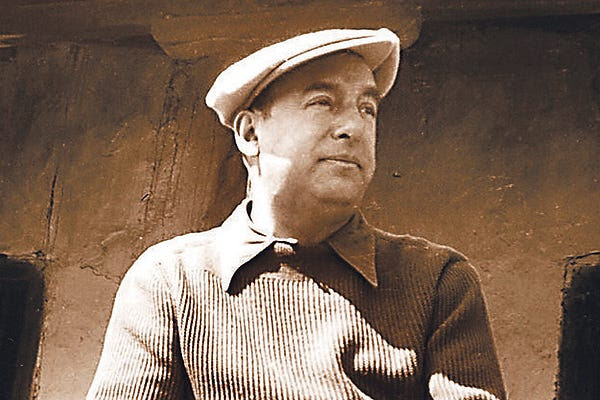
And it was at that age…
Poetry arrived
in search of me. I don’t know, I don’t know where
it came from, from winter or a river.
I don’t know how or when,
no they were not voices, they were not
words, nor silence,
but from a street I was summoned,
from the branches of night,
abruptly from the others,
among violent fires
or returning alone,
there I was without a face
and it touched me.
I did not know what to say, my mouth
had no way
with names,
my eyes were blind,
and something started in my soul,
fever or forgotten wings,
and I made my own way,
deciphering
that fire,
and I wrote the first faint line,
faint, without substance, pure
nonsense,
pure wisdom
of someone who knows nothing,
and suddenly I saw
the heavens
unfastened
and open,
planets,
palpitating plantations,
shadow perforated,
riddled
with arrows, fire and flowers,
the winding night, the universe.
And I, infinitesimal being,
drunk with the great starry
void,
likeness, image of
mystery,
felt myself a pure part
of the abyss,
I wheeled with the stars,
my heart broke loose on the wind.
Poetry
- A Dog Has Died – Pablo Neruda
- A Moment of Silence – Emmanuel Ortiz
- A Quiet Life – Baron Wormser
- A Reminder – found and slightly edited from the webpage of a Methodist Church
- A Wreath to the Fish – Nancy Willard
- Acceptance Speech After Setting the World Record in Goosebumps – Andrea Gibson
- Against the Odds – David Lerner
- Aimless Love – Billy Collins
- All’ve It – Matt Moberg
- Alone – Jack Gilbert
- Another Planet – Dunya Mikhail
- Be Kind, Rewind – Neil Silberblatt
- Big Conversation – Rosemerry Wahtola Trommer
- Black Momma Math – Kimberly Jae
- Boplicity or Jimmy Throws a Houseparty for Huey Newton – Daniel B. Summerhill
- Capitol Air – Allen Ginsburg
- Combat Primer – Charles Bukowski
- Crow – Doug Anderson
- Crow Blacker Than Ever – Ted Hughes
- Dear white people – Makhadzi Mudzweda
- Detour – Ruth Feldman
- Dismiss Whatever Insults Your Own Soul – Walt Whitman
- Do You Know What Today Is? – Danez Smith
- Don’t fall in love with a woman who reads – Martha Rivera-Garrido
- Failing and Flying – Jack Gilbert
- Feel Mo – Michael Korson
- Footprints In Your Heart – Eleanor Roosvelt
- For Calling the Spirit Back from Wandering the Earth in Its Human Feet – Joy Harjo
- Forgetfulness – Billy Collins
- Gate A-4 – Naomi Shihab Nye
- Georgics: Book I excerpt – Virgil
- God – Brian Doyle
- God Says Yes To Me – Kaylin Haught
- Growing Old – Emma Rosenberg
- Half-light – Dāshaun Washington
- Homesick: A Plea for Our Planet – Andrea Gibson
- How Poetry Comes to Me – Ruah Bull
- How She Heard It – Todd Davis
- How to Slay a Dragon – Rebecca Dupas
- I Talked to a Lady – Tanya Howden
- I Wish I Knew How It Would Feel to Be Free -Billy Taylor and Dick Dallas
- If You Knew – Ellen Bass
- Instructions before visiting Earth – James McCrae
- It Happens All the Time – Hafez
- KINDNESS – Naomi Shihab Nye
- Love at First Sight – Wisława Szymborska
- Love is Not All – Edna St. Vincent Millay
- Manifesto: The Mad Farmer Liberation Front – Wendell Berry
- Men – Maya Angelou
- Millennium Blessing – Stephen Levine
- my brain and heart divorced ~ john roedel
- My Country – Tony Hoagland
- Ode to Those Who Block Tunnels and Bridges – Sam Sax
- Old Man Eating Alone – Billy Collins
- Our Real Work – Wendell Berry
- Pilgrim at Tinker Creek excerpt – Annie Dillard
- Poetry – Pablo Neruda
- Prayer – Marie Howe
- Primer For Blacks – Gwendolyn Brooks
- Psalm for the Slightly Tilted – Ilya Kaminsky
- Record Player – Adrian Matejka
- Relax – Ellen Bass
- Shoveling Snow With Buddha – Billy Collins
- Sleeping in the Forest – Mary Oliver
- Small Stack of Books – Blake Nelson
- Soliloquy of the Solipsist – Sylvia Plath
- Spider – Andrea Gibson
- spring – Safia Elhillo
- Squirrel – Lynn Ungar
- Tangled Up In Blue – Bob Dylan
- Telephone Booth (number 905 1/2) – Pedro Pietri
- The Best Poem Ever – Brian Doyle
- The Caveman’s Lament – Brian Bilston
- The Four Noble Truths – Jake Onami Agnew
- The Future – Rosemerry Wahtola Trommer
- The History of One Tough Motherfucker – Charles Bukowski
- The Holy Longing – J.W. von Goethe
- The Layers – Stanley Kunitz
- The Long Boat – Stanley Kunitz
- The Lost Hotels of Paris – Jack Gilbert
- The Moon is Full Tonight – Billy Collins
- The Shyness – Sharon Olds
- The Silence of the Stars – David Wagoner
- The U.N. Headquarters in the High Commissioner’s House in Jerusalem – Yehuda Amichai
- The War Works Hard – Dunya Mikhail
- The World is Both Burning and Blooming – Karen Salmansohn
- To Diego with Love – Frida Kalko
- Tryst with Death – Gina Puorro
- Two poems – Yehuda Amichai
- Two-bloods – Rolando Kattan
- Wage Peace – Mary Oliver
- War Primer – Bertholt Brecht
- We are the Trees – J Raymond
- We will meet, don’t be in such a rush – Hala alShrouf
- Wendell Berry – Enriching the Earth
- Wendell Berry – The Loved Ones
- Wendell Berry – Two Poems
- What I Learned From Listening to a Stutterer – Ellen Zorin
- What lips my lips have kissed, and where, and why – Edna St. Vincent Millay
- Who Says Words With My Mouth? – Jalal ad-Din Rumi
Aimless Love – Billy Collins
This morning as I walked along the lakeshore,
I fell in love with a wren
and later in the day with a mouse
the cat had dropped under the dining room table.
In the shadows of an autumn evening,
I fell for a seamstress
still at her machine in the tailor’s window,
and later for a bowl of broth,
steam rising like smoke from a naval battle.
This is the best kind of love, I thought,
without recompense, without gifts,
or unkind words, without suspicion,
or silence on the telephone.
The love of the chestnut,
the jazz cap and one hand on the wheel.
No lust, no slam of the door —
the love of the miniature orange tree,
the clean white shirt, the hot evening shower,
the highway that cuts across Florida.
No waiting, no huffiness, or rancor —
just a twinge every now and then
for the wren who had built her nest
on a low branch overhanging the water
and for the dead mouse,
still dressed in its light brown suit.
But my heart is always propped up in a field on its tripod,
ready for the next arrow.
After I carried the mouse by the tail
to a pile of leaves in the woods,
I found myself standing at the bathroom sink
gazing down affectionately at the soap,
so patient and soluble,
so at home in its pale green soap dish.
I could feel myself falling again
as I felt its turning in my wet hands
and caught the scent of lavender and stone.

Poetry
- A Dog Has Died – Pablo Neruda
- A Moment of Silence – Emmanuel Ortiz
- A Quiet Life – Baron Wormser
- A Reminder – found and slightly edited from the webpage of a Methodist Church
- A Wreath to the Fish – Nancy Willard
- Acceptance Speech After Setting the World Record in Goosebumps – Andrea Gibson
- Against the Odds – David Lerner
- Aimless Love – Billy Collins
- All’ve It – Matt Moberg
- Alone – Jack Gilbert
- Another Planet – Dunya Mikhail
- Be Kind, Rewind – Neil Silberblatt
- Big Conversation – Rosemerry Wahtola Trommer
- Black Momma Math – Kimberly Jae
- Boplicity or Jimmy Throws a Houseparty for Huey Newton – Daniel B. Summerhill
- Capitol Air – Allen Ginsburg
- Combat Primer – Charles Bukowski
- Crow – Doug Anderson
- Crow Blacker Than Ever – Ted Hughes
- Dear white people – Makhadzi Mudzweda
- Detour – Ruth Feldman
- Dismiss Whatever Insults Your Own Soul – Walt Whitman
- Do You Know What Today Is? – Danez Smith
- Don’t fall in love with a woman who reads – Martha Rivera-Garrido
- Failing and Flying – Jack Gilbert
- Feel Mo – Michael Korson
- Footprints In Your Heart – Eleanor Roosvelt
- For Calling the Spirit Back from Wandering the Earth in Its Human Feet – Joy Harjo
- Forgetfulness – Billy Collins
- Gate A-4 – Naomi Shihab Nye
- Georgics: Book I excerpt – Virgil
- God – Brian Doyle
- God Says Yes To Me – Kaylin Haught
- Growing Old – Emma Rosenberg
- Half-light – Dāshaun Washington
- Homesick: A Plea for Our Planet – Andrea Gibson
- How Poetry Comes to Me – Ruah Bull
- How She Heard It – Todd Davis
- How to Slay a Dragon – Rebecca Dupas
- I Talked to a Lady – Tanya Howden
- I Wish I Knew How It Would Feel to Be Free -Billy Taylor and Dick Dallas
- If You Knew – Ellen Bass
- Instructions before visiting Earth – James McCrae
- It Happens All the Time – Hafez
- KINDNESS – Naomi Shihab Nye
- Love at First Sight – Wisława Szymborska
- Love is Not All – Edna St. Vincent Millay
- Manifesto: The Mad Farmer Liberation Front – Wendell Berry
- Men – Maya Angelou
- Millennium Blessing – Stephen Levine
- my brain and heart divorced ~ john roedel
- My Country – Tony Hoagland
- Ode to Those Who Block Tunnels and Bridges – Sam Sax
- Old Man Eating Alone – Billy Collins
- Our Real Work – Wendell Berry
- Pilgrim at Tinker Creek excerpt – Annie Dillard
- Poetry – Pablo Neruda
- Prayer – Marie Howe
- Primer For Blacks – Gwendolyn Brooks
- Psalm for the Slightly Tilted – Ilya Kaminsky
- Record Player – Adrian Matejka
- Relax – Ellen Bass
- Shoveling Snow With Buddha – Billy Collins
- Sleeping in the Forest – Mary Oliver
- Small Stack of Books – Blake Nelson
- Soliloquy of the Solipsist – Sylvia Plath
- Spider – Andrea Gibson
- spring – Safia Elhillo
- Squirrel – Lynn Ungar
- Tangled Up In Blue – Bob Dylan
- Telephone Booth (number 905 1/2) – Pedro Pietri
- The Best Poem Ever – Brian Doyle
- The Caveman’s Lament – Brian Bilston
- The Four Noble Truths – Jake Onami Agnew
- The Future – Rosemerry Wahtola Trommer
- The History of One Tough Motherfucker – Charles Bukowski
- The Holy Longing – J.W. von Goethe
- The Layers – Stanley Kunitz
- The Long Boat – Stanley Kunitz
- The Lost Hotels of Paris – Jack Gilbert
- The Moon is Full Tonight – Billy Collins
- The Shyness – Sharon Olds
- The Silence of the Stars – David Wagoner
- The U.N. Headquarters in the High Commissioner’s House in Jerusalem – Yehuda Amichai
- The War Works Hard – Dunya Mikhail
- The World is Both Burning and Blooming – Karen Salmansohn
- To Diego with Love – Frida Kalko
- Tryst with Death – Gina Puorro
- Two poems – Yehuda Amichai
- Two-bloods – Rolando Kattan
- Wage Peace – Mary Oliver
- War Primer – Bertholt Brecht
- We are the Trees – J Raymond
- We will meet, don’t be in such a rush – Hala alShrouf
- Wendell Berry – Enriching the Earth
- Wendell Berry – The Loved Ones
- Wendell Berry – Two Poems
- What I Learned From Listening to a Stutterer – Ellen Zorin
- What lips my lips have kissed, and where, and why – Edna St. Vincent Millay
- Who Says Words With My Mouth? – Jalal ad-Din Rumi
The Future – Rosemerry Wahtola Trommer
I know I like to keep my secrets close. It’s who I am.
That doesn’t mean I don’t love you. Doesn’t mean
I don’t appreciate it when you plant larkspur
and roses, lavender bushes and apricot trees,
as if you believe in investing in a world years from now.
Of course, I appreciate the way you call your congressmen
to tell them about the world you believe we could live in.
I love every time you put a letter in the mail with a stamp,
every time you learn a new skill or make a ten-year-plan.
How beautiful you are to me when you dream.
It’s lonely here, of course. Everyone always coming toward
but never arriving. I’m not complaining.
Being the future has its perks. Like infinite potential.
Like hope. I know it’s hard sometimes to believe
you will ever get through this. But haven’t you learned by now
that just because you don’t see the way forward
doesn’t mean they way doesn’t exist?
That is the only promise I can make you, sweetheart.
You can’t see the path. But here it is.
Poetry
- A Dog Has Died – Pablo Neruda
- A Moment of Silence – Emmanuel Ortiz
- A Quiet Life – Baron Wormser
- A Reminder – found and slightly edited from the webpage of a Methodist Church
- A Wreath to the Fish – Nancy Willard
- Acceptance Speech After Setting the World Record in Goosebumps – Andrea Gibson
- Against the Odds – David Lerner
- Aimless Love – Billy Collins
- All’ve It – Matt Moberg
- Alone – Jack Gilbert
- Another Planet – Dunya Mikhail
- Be Kind, Rewind – Neil Silberblatt
- Big Conversation – Rosemerry Wahtola Trommer
- Black Momma Math – Kimberly Jae
- Boplicity or Jimmy Throws a Houseparty for Huey Newton – Daniel B. Summerhill
- Capitol Air – Allen Ginsburg
- Combat Primer – Charles Bukowski
- Crow – Doug Anderson
- Crow Blacker Than Ever – Ted Hughes
- Dear white people – Makhadzi Mudzweda
- Detour – Ruth Feldman
- Dismiss Whatever Insults Your Own Soul – Walt Whitman
- Do You Know What Today Is? – Danez Smith
- Don’t fall in love with a woman who reads – Martha Rivera-Garrido
- Failing and Flying – Jack Gilbert
- Feel Mo – Michael Korson
- Footprints In Your Heart – Eleanor Roosvelt
- For Calling the Spirit Back from Wandering the Earth in Its Human Feet – Joy Harjo
- Forgetfulness – Billy Collins
- Gate A-4 – Naomi Shihab Nye
- Georgics: Book I excerpt – Virgil
- God – Brian Doyle
- God Says Yes To Me – Kaylin Haught
- Growing Old – Emma Rosenberg
- Half-light – Dāshaun Washington
- Homesick: A Plea for Our Planet – Andrea Gibson
- How Poetry Comes to Me – Ruah Bull
- How She Heard It – Todd Davis
- How to Slay a Dragon – Rebecca Dupas
- I Talked to a Lady – Tanya Howden
- I Wish I Knew How It Would Feel to Be Free -Billy Taylor and Dick Dallas
- If You Knew – Ellen Bass
- Instructions before visiting Earth – James McCrae
- It Happens All the Time – Hafez
- KINDNESS – Naomi Shihab Nye
- Love at First Sight – Wisława Szymborska
- Love is Not All – Edna St. Vincent Millay
- Manifesto: The Mad Farmer Liberation Front – Wendell Berry
- Men – Maya Angelou
- Millennium Blessing – Stephen Levine
- my brain and heart divorced ~ john roedel
- My Country – Tony Hoagland
- Ode to Those Who Block Tunnels and Bridges – Sam Sax
- Old Man Eating Alone – Billy Collins
- Our Real Work – Wendell Berry
- Pilgrim at Tinker Creek excerpt – Annie Dillard
- Poetry – Pablo Neruda
- Prayer – Marie Howe
- Primer For Blacks – Gwendolyn Brooks
- Psalm for the Slightly Tilted – Ilya Kaminsky
- Record Player – Adrian Matejka
- Relax – Ellen Bass
- Shoveling Snow With Buddha – Billy Collins
- Sleeping in the Forest – Mary Oliver
- Small Stack of Books – Blake Nelson
- Soliloquy of the Solipsist – Sylvia Plath
- Spider – Andrea Gibson
- spring – Safia Elhillo
- Squirrel – Lynn Ungar
- Tangled Up In Blue – Bob Dylan
- Telephone Booth (number 905 1/2) – Pedro Pietri
- The Best Poem Ever – Brian Doyle
- The Caveman’s Lament – Brian Bilston
- The Four Noble Truths – Jake Onami Agnew
- The Future – Rosemerry Wahtola Trommer
- The History of One Tough Motherfucker – Charles Bukowski
- The Holy Longing – J.W. von Goethe
- The Layers – Stanley Kunitz
- The Long Boat – Stanley Kunitz
- The Lost Hotels of Paris – Jack Gilbert
- The Moon is Full Tonight – Billy Collins
- The Shyness – Sharon Olds
- The Silence of the Stars – David Wagoner
- The U.N. Headquarters in the High Commissioner’s House in Jerusalem – Yehuda Amichai
- The War Works Hard – Dunya Mikhail
- The World is Both Burning and Blooming – Karen Salmansohn
- To Diego with Love – Frida Kalko
- Tryst with Death – Gina Puorro
- Two poems – Yehuda Amichai
- Two-bloods – Rolando Kattan
- Wage Peace – Mary Oliver
- War Primer – Bertholt Brecht
- We are the Trees – J Raymond
- We will meet, don’t be in such a rush – Hala alShrouf
- Wendell Berry – Enriching the Earth
- Wendell Berry – The Loved Ones
- Wendell Berry – Two Poems
- What I Learned From Listening to a Stutterer – Ellen Zorin
- What lips my lips have kissed, and where, and why – Edna St. Vincent Millay
- Who Says Words With My Mouth? – Jalal ad-Din Rumi

Manifesto: The Mad Farmer Liberation Front – Wendell Berry
Love the quick profit, the annual raise,
vacation with pay. Want more
of everything ready-made. Be afraid
to know your neighbors and to die.
And you will have a window in your head.
Not even your future will be a mystery
any more. Your mind will be punched in a card
and shut away in a little drawer.
When they want you to buy something
they will call you. When they want you
to die for profit they will let you know.
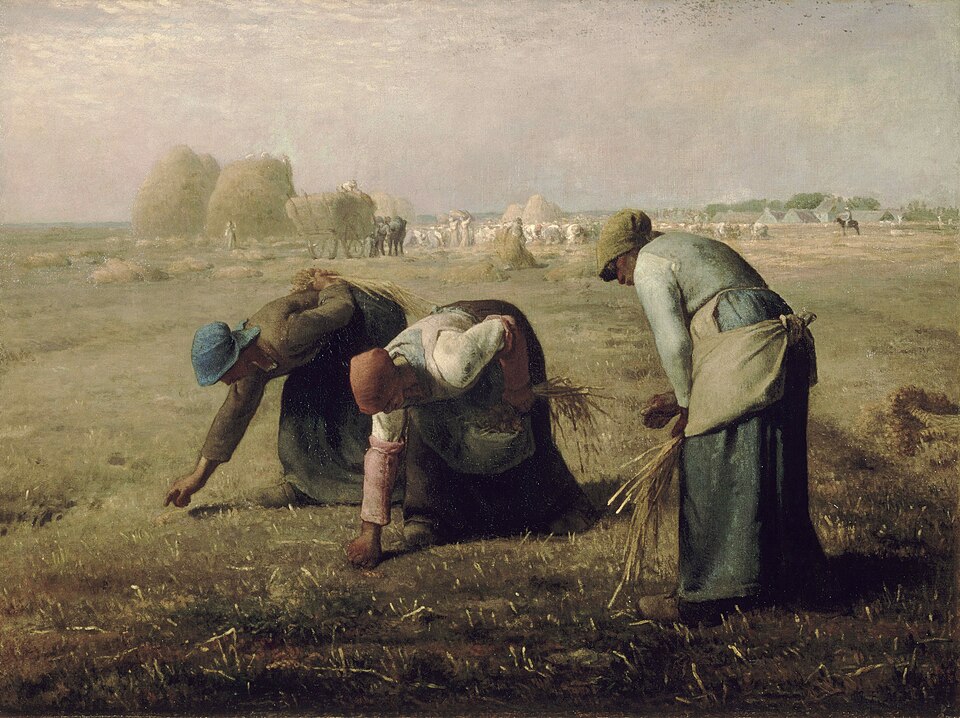
So, friends, every day do something
that won’t compute. Love the Lord.
Love the world. Work for nothing.
Take all that you have and be poor.
Love someone who does not deserve it.
Denounce the government and embrace
the flag. Hope to live in that free
republic for which it stands.
Give your approval to all you cannot
understand. Praise ignorance, for what man
has not encountered he has not destroyed.
Ask the questions that have no answers.
Invest in the millenium. Plant sequoias.
Say that your main crop is the forest
that you did not plant,
that you will not live to harvest.
Say that the leaves are harvested
when they have rotted into the mold.
Call that profit. Prophesy such returns.
Put your faith in the two inches of humus
that will build under the trees
every thousand years.
Listen to carrion – put your ear
close, and hear the faint chattering
of the songs that are to come.
Expect the end of the world. Laugh.
Laughter is immeasurable. Be joyful
though you have considered all the facts.
So long as women do not go cheap
for power, please women more than men.
Ask yourself: Will this satisfy
a woman satisfied to bear a child?
Will this disturb the sleep
of a woman near to giving birth?
Go with your love to the fields.
Lie down in the shade. Rest your head
in her lap. Swear allegiance
to what is nighest your thoughts.
As soon as the generals and the politicos
can predict the motions of your mind,
lose it. Leave it as a sign
to mark the false trail, the way
you didn’t go. Be like the fox
who makes more tracks than necessary,
some in the wrong direction.
Practice resurrection.
Poetry
- A Dog Has Died – Pablo Neruda
- A Moment of Silence – Emmanuel Ortiz
- A Quiet Life – Baron Wormser
- A Reminder – found and slightly edited from the webpage of a Methodist Church
- A Wreath to the Fish – Nancy Willard
- Acceptance Speech After Setting the World Record in Goosebumps – Andrea Gibson
- Against the Odds – David Lerner
- Aimless Love – Billy Collins
- All’ve It – Matt Moberg
- Alone – Jack Gilbert
- Another Planet – Dunya Mikhail
- Be Kind, Rewind – Neil Silberblatt
- Big Conversation – Rosemerry Wahtola Trommer
- Black Momma Math – Kimberly Jae
- Boplicity or Jimmy Throws a Houseparty for Huey Newton – Daniel B. Summerhill
- Capitol Air – Allen Ginsburg
- Combat Primer – Charles Bukowski
- Crow – Doug Anderson
- Crow Blacker Than Ever – Ted Hughes
- Dear white people – Makhadzi Mudzweda
- Detour – Ruth Feldman
- Dismiss Whatever Insults Your Own Soul – Walt Whitman
- Do You Know What Today Is? – Danez Smith
- Don’t fall in love with a woman who reads – Martha Rivera-Garrido
- Failing and Flying – Jack Gilbert
- Feel Mo – Michael Korson
- Footprints In Your Heart – Eleanor Roosvelt
- For Calling the Spirit Back from Wandering the Earth in Its Human Feet – Joy Harjo
- Forgetfulness – Billy Collins
- Gate A-4 – Naomi Shihab Nye
- Georgics: Book I excerpt – Virgil
- God – Brian Doyle
- God Says Yes To Me – Kaylin Haught
- Growing Old – Emma Rosenberg
- Half-light – Dāshaun Washington
- Homesick: A Plea for Our Planet – Andrea Gibson
- How Poetry Comes to Me – Ruah Bull
- How She Heard It – Todd Davis
- How to Slay a Dragon – Rebecca Dupas
- I Talked to a Lady – Tanya Howden
- I Wish I Knew How It Would Feel to Be Free -Billy Taylor and Dick Dallas
- If You Knew – Ellen Bass
- Instructions before visiting Earth – James McCrae
- It Happens All the Time – Hafez
- KINDNESS – Naomi Shihab Nye
- Love at First Sight – Wisława Szymborska
- Love is Not All – Edna St. Vincent Millay
- Manifesto: The Mad Farmer Liberation Front – Wendell Berry
- Men – Maya Angelou
- Millennium Blessing – Stephen Levine
- my brain and heart divorced ~ john roedel
- My Country – Tony Hoagland
- Ode to Those Who Block Tunnels and Bridges – Sam Sax
- Old Man Eating Alone – Billy Collins
- Our Real Work – Wendell Berry
- Pilgrim at Tinker Creek excerpt – Annie Dillard
- Poetry – Pablo Neruda
- Prayer – Marie Howe
- Primer For Blacks – Gwendolyn Brooks
- Psalm for the Slightly Tilted – Ilya Kaminsky
- Record Player – Adrian Matejka
- Relax – Ellen Bass
- Shoveling Snow With Buddha – Billy Collins
- Sleeping in the Forest – Mary Oliver
- Small Stack of Books – Blake Nelson
- Soliloquy of the Solipsist – Sylvia Plath
- Spider – Andrea Gibson
- spring – Safia Elhillo
- Squirrel – Lynn Ungar
- Tangled Up In Blue – Bob Dylan
- Telephone Booth (number 905 1/2) – Pedro Pietri
- The Best Poem Ever – Brian Doyle
- The Caveman’s Lament – Brian Bilston
- The Four Noble Truths – Jake Onami Agnew
- The Future – Rosemerry Wahtola Trommer
- The History of One Tough Motherfucker – Charles Bukowski
- The Holy Longing – J.W. von Goethe
- The Layers – Stanley Kunitz
- The Long Boat – Stanley Kunitz
- The Lost Hotels of Paris – Jack Gilbert
- The Moon is Full Tonight – Billy Collins
- The Shyness – Sharon Olds
- The Silence of the Stars – David Wagoner
- The U.N. Headquarters in the High Commissioner’s House in Jerusalem – Yehuda Amichai
- The War Works Hard – Dunya Mikhail
- The World is Both Burning and Blooming – Karen Salmansohn
- To Diego with Love – Frida Kalko
- Tryst with Death – Gina Puorro
- Two poems – Yehuda Amichai
- Two-bloods – Rolando Kattan
- Wage Peace – Mary Oliver
- War Primer – Bertholt Brecht
- We are the Trees – J Raymond
- We will meet, don’t be in such a rush – Hala alShrouf
- Wendell Berry – Enriching the Earth
- Wendell Berry – The Loved Ones
- Wendell Berry – Two Poems
- What I Learned From Listening to a Stutterer – Ellen Zorin
- What lips my lips have kissed, and where, and why – Edna St. Vincent Millay
- Who Says Words With My Mouth? – Jalal ad-Din Rumi
Record Player – Adrian Matejka
It’s never our finest hour in America but right now,
most things at the ledges of my life are like the sad
shuffling at the edge of an LP. This one time, I forgot
to pick up the tonearm & heard polyvinyl lamentations
until Thursday when I finally realized the sounds were from
my speakers & not one of my own haunted creation.
I would have laughed, but it was war time yet again:
more air strikes crumbling schools, more drone opportunities
& misplaced homilies. You got to be kidding me.
Polished tanks cresting possibility’s hill for another,
unrequited salvo. All the mystifying UFOs & split
infinities in the record’s imaginary are in the past as it
kept playing its static goodbyes: little hiccupping pleas
until somebody, finally, flipped off the infernal machine.
Poetry
- A Dog Has Died – Pablo Neruda
- A Moment of Silence – Emmanuel Ortiz
- A Quiet Life – Baron Wormser
- A Reminder – found and slightly edited from the webpage of a Methodist Church
- A Wreath to the Fish – Nancy Willard
- Acceptance Speech After Setting the World Record in Goosebumps – Andrea Gibson
- Against the Odds – David Lerner
- Aimless Love – Billy Collins
- All’ve It – Matt Moberg
- Alone – Jack Gilbert
- Another Planet – Dunya Mikhail
- Be Kind, Rewind – Neil Silberblatt
- Big Conversation – Rosemerry Wahtola Trommer
- Black Momma Math – Kimberly Jae
- Boplicity or Jimmy Throws a Houseparty for Huey Newton – Daniel B. Summerhill
- Capitol Air – Allen Ginsburg
- Combat Primer – Charles Bukowski
- Crow – Doug Anderson
- Crow Blacker Than Ever – Ted Hughes
- Dear white people – Makhadzi Mudzweda
- Detour – Ruth Feldman
- Dismiss Whatever Insults Your Own Soul – Walt Whitman
- Do You Know What Today Is? – Danez Smith
- Don’t fall in love with a woman who reads – Martha Rivera-Garrido
- Failing and Flying – Jack Gilbert
- Feel Mo – Michael Korson
- Footprints In Your Heart – Eleanor Roosvelt
- For Calling the Spirit Back from Wandering the Earth in Its Human Feet – Joy Harjo
- Forgetfulness – Billy Collins
- Gate A-4 – Naomi Shihab Nye
- Georgics: Book I excerpt – Virgil
- God – Brian Doyle
- God Says Yes To Me – Kaylin Haught
- Growing Old – Emma Rosenberg
- Half-light – Dāshaun Washington
- Homesick: A Plea for Our Planet – Andrea Gibson
- How Poetry Comes to Me – Ruah Bull
- How She Heard It – Todd Davis
- How to Slay a Dragon – Rebecca Dupas
- I Talked to a Lady – Tanya Howden
- I Wish I Knew How It Would Feel to Be Free -Billy Taylor and Dick Dallas
- If You Knew – Ellen Bass
- Instructions before visiting Earth – James McCrae
- It Happens All the Time – Hafez
- KINDNESS – Naomi Shihab Nye
- Love at First Sight – Wisława Szymborska
- Love is Not All – Edna St. Vincent Millay
- Manifesto: The Mad Farmer Liberation Front – Wendell Berry
- Men – Maya Angelou
- Millennium Blessing – Stephen Levine
- my brain and heart divorced ~ john roedel
- My Country – Tony Hoagland
- Ode to Those Who Block Tunnels and Bridges – Sam Sax
- Old Man Eating Alone – Billy Collins
- Our Real Work – Wendell Berry
- Pilgrim at Tinker Creek excerpt – Annie Dillard
- Poetry – Pablo Neruda
- Prayer – Marie Howe
- Primer For Blacks – Gwendolyn Brooks
- Psalm for the Slightly Tilted – Ilya Kaminsky
- Record Player – Adrian Matejka
- Relax – Ellen Bass
- Shoveling Snow With Buddha – Billy Collins
- Sleeping in the Forest – Mary Oliver
- Small Stack of Books – Blake Nelson
- Soliloquy of the Solipsist – Sylvia Plath
- Spider – Andrea Gibson
- spring – Safia Elhillo
- Squirrel – Lynn Ungar
- Tangled Up In Blue – Bob Dylan
- Telephone Booth (number 905 1/2) – Pedro Pietri
- The Best Poem Ever – Brian Doyle
- The Caveman’s Lament – Brian Bilston
- The Four Noble Truths – Jake Onami Agnew
- The Future – Rosemerry Wahtola Trommer
- The History of One Tough Motherfucker – Charles Bukowski
- The Holy Longing – J.W. von Goethe
- The Layers – Stanley Kunitz
- The Long Boat – Stanley Kunitz
- The Lost Hotels of Paris – Jack Gilbert
- The Moon is Full Tonight – Billy Collins
- The Shyness – Sharon Olds
- The Silence of the Stars – David Wagoner
- The U.N. Headquarters in the High Commissioner’s House in Jerusalem – Yehuda Amichai
- The War Works Hard – Dunya Mikhail
- The World is Both Burning and Blooming – Karen Salmansohn
- To Diego with Love – Frida Kalko
- Tryst with Death – Gina Puorro
- Two poems – Yehuda Amichai
- Two-bloods – Rolando Kattan
- Wage Peace – Mary Oliver
- War Primer – Bertholt Brecht
- We are the Trees – J Raymond
- We will meet, don’t be in such a rush – Hala alShrouf
- Wendell Berry – Enriching the Earth
- Wendell Berry – The Loved Ones
- Wendell Berry – Two Poems
- What I Learned From Listening to a Stutterer – Ellen Zorin
- What lips my lips have kissed, and where, and why – Edna St. Vincent Millay
- Who Says Words With My Mouth? – Jalal ad-Din Rumi
Prayer – Marie Howe
Every day I want to speak with you.
And every day something more important
calls for my attention-
the drugstore, the beauty products, the luggage
I need to bring for the trip.
Even now I can hardly sit here
among the falling piles of paper and clothing,
the garbage trucks outside already screeching and banging.
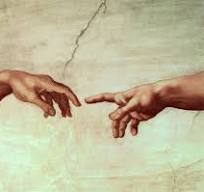
The mystics say you are as close as my own breath.
Why do I flee from you?
Help me. Even as I write these words I am planning
to rise from this chair as soon as I finish this sentence.
Poetry
- A Dog Has Died – Pablo Neruda
- A Moment of Silence – Emmanuel Ortiz
- A Quiet Life – Baron Wormser
- A Reminder – found and slightly edited from the webpage of a Methodist Church
- A Wreath to the Fish – Nancy Willard
- Acceptance Speech After Setting the World Record in Goosebumps – Andrea Gibson
- Against the Odds – David Lerner
- Aimless Love – Billy Collins
- All’ve It – Matt Moberg
- Alone – Jack Gilbert
- Another Planet – Dunya Mikhail
- Be Kind, Rewind – Neil Silberblatt
- Big Conversation – Rosemerry Wahtola Trommer
- Black Momma Math – Kimberly Jae
- Boplicity or Jimmy Throws a Houseparty for Huey Newton – Daniel B. Summerhill
- Capitol Air – Allen Ginsburg
- Combat Primer – Charles Bukowski
- Crow – Doug Anderson
- Crow Blacker Than Ever – Ted Hughes
- Dear white people – Makhadzi Mudzweda
- Detour – Ruth Feldman
- Dismiss Whatever Insults Your Own Soul – Walt Whitman
- Do You Know What Today Is? – Danez Smith
- Don’t fall in love with a woman who reads – Martha Rivera-Garrido
- Failing and Flying – Jack Gilbert
- Feel Mo – Michael Korson
- Footprints In Your Heart – Eleanor Roosvelt
- For Calling the Spirit Back from Wandering the Earth in Its Human Feet – Joy Harjo
- Forgetfulness – Billy Collins
- Gate A-4 – Naomi Shihab Nye
- Georgics: Book I excerpt – Virgil
- God – Brian Doyle
- God Says Yes To Me – Kaylin Haught
- Growing Old – Emma Rosenberg
- Half-light – Dāshaun Washington
- Homesick: A Plea for Our Planet – Andrea Gibson
- How Poetry Comes to Me – Ruah Bull
- How She Heard It – Todd Davis
- How to Slay a Dragon – Rebecca Dupas
- I Talked to a Lady – Tanya Howden
- I Wish I Knew How It Would Feel to Be Free -Billy Taylor and Dick Dallas
- If You Knew – Ellen Bass
- Instructions before visiting Earth – James McCrae
- It Happens All the Time – Hafez
- KINDNESS – Naomi Shihab Nye
- Love at First Sight – Wisława Szymborska
- Love is Not All – Edna St. Vincent Millay
- Manifesto: The Mad Farmer Liberation Front – Wendell Berry
- Men – Maya Angelou
- Millennium Blessing – Stephen Levine
- my brain and heart divorced ~ john roedel
- My Country – Tony Hoagland
- Ode to Those Who Block Tunnels and Bridges – Sam Sax
- Old Man Eating Alone – Billy Collins
- Our Real Work – Wendell Berry
- Pilgrim at Tinker Creek excerpt – Annie Dillard
- Poetry – Pablo Neruda
- Prayer – Marie Howe
- Primer For Blacks – Gwendolyn Brooks
- Psalm for the Slightly Tilted – Ilya Kaminsky
- Record Player – Adrian Matejka
- Relax – Ellen Bass
- Shoveling Snow With Buddha – Billy Collins
- Sleeping in the Forest – Mary Oliver
- Small Stack of Books – Blake Nelson
- Soliloquy of the Solipsist – Sylvia Plath
- Spider – Andrea Gibson
- spring – Safia Elhillo
- Squirrel – Lynn Ungar
- Tangled Up In Blue – Bob Dylan
- Telephone Booth (number 905 1/2) – Pedro Pietri
- The Best Poem Ever – Brian Doyle
- The Caveman’s Lament – Brian Bilston
- The Four Noble Truths – Jake Onami Agnew
- The Future – Rosemerry Wahtola Trommer
- The History of One Tough Motherfucker – Charles Bukowski
- The Holy Longing – J.W. von Goethe
- The Layers – Stanley Kunitz
- The Long Boat – Stanley Kunitz
- The Lost Hotels of Paris – Jack Gilbert
- The Moon is Full Tonight – Billy Collins
- The Shyness – Sharon Olds
- The Silence of the Stars – David Wagoner
- The U.N. Headquarters in the High Commissioner’s House in Jerusalem – Yehuda Amichai
- The War Works Hard – Dunya Mikhail
- The World is Both Burning and Blooming – Karen Salmansohn
- To Diego with Love – Frida Kalko
- Tryst with Death – Gina Puorro
- Two poems – Yehuda Amichai
- Two-bloods – Rolando Kattan
- Wage Peace – Mary Oliver
- War Primer – Bertholt Brecht
- We are the Trees – J Raymond
- We will meet, don’t be in such a rush – Hala alShrouf
- Wendell Berry – Enriching the Earth
- Wendell Berry – The Loved Ones
- Wendell Berry – Two Poems
- What I Learned From Listening to a Stutterer – Ellen Zorin
- What lips my lips have kissed, and where, and why – Edna St. Vincent Millay
- Who Says Words With My Mouth? – Jalal ad-Din Rumi
The Silence of the Stars – David Wagoner
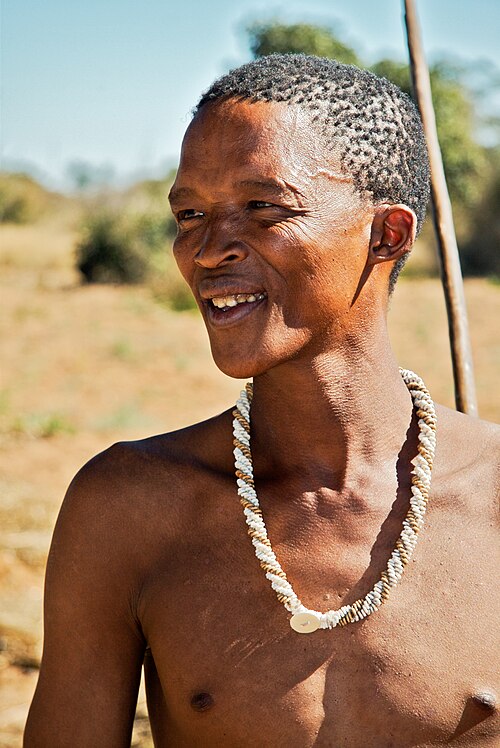
When Laurens van der Post one night
In the Kalahari Desert told the Bushmen
He couldn’t hear the stars
Singing, they didn’t believe him. They looked at him,
half-smiling. They examined his face
To see whether he was joking
Or deceiving them. Then two of those small men
Who plant nothing, who have almost
Nothing to hunt, who live
On almost nothing, and with no one
But themselves, led him away
From the crackling thorn-scrub fire
And stood with him under the night sky
And listened. One of them whispered,
Do you not hear them now?
And van der Post listened, not wanting
To disbelieve, but had to answer,
No. They walked him slowly
Like a sick man to the small dim
Circle of firelight and told him
They were terribly sorry,
And he felt even sorrier
For himself and blamed his ancestors
For their strange loss of hearing,
Which was his loss now. On some clear night
When nearby houses have turned off their visions,
When the traffic dwindles, when through streets
Are between sirens and the jets overhead
Are between crossings, when the wind
Is hanging fire in the fir trees,
And the long-eared owl in the neighboring grove
Between calls is regarding his own darkness,
I look at the stars again as I first did
To school myself in the names of constellations
And remember my first sense of their terrible distance,
I can still hear what I thought
At the edge of silence where the inside jokes
Of my heartbeat, my arterial traffic,
The C above high C of my inner ear, myself
Tunelessly humming, but now I know what they are:
My fair share of the music of the spheres
And clusters of ripening stars,
Of the songs from the throats of the old gods
Still tending ever tone-deaf creatures
Through their exiles in the desert.
Poetry
- A Dog Has Died – Pablo Neruda
- A Moment of Silence – Emmanuel Ortiz
- A Quiet Life – Baron Wormser
- A Reminder – found and slightly edited from the webpage of a Methodist Church
- A Wreath to the Fish – Nancy Willard
- Acceptance Speech After Setting the World Record in Goosebumps – Andrea Gibson
- Against the Odds – David Lerner
- Aimless Love – Billy Collins
- All’ve It – Matt Moberg
- Alone – Jack Gilbert
- Another Planet – Dunya Mikhail
- Be Kind, Rewind – Neil Silberblatt
- Big Conversation – Rosemerry Wahtola Trommer
- Black Momma Math – Kimberly Jae
- Boplicity or Jimmy Throws a Houseparty for Huey Newton – Daniel B. Summerhill
- Capitol Air – Allen Ginsburg
- Combat Primer – Charles Bukowski
- Crow – Doug Anderson
- Crow Blacker Than Ever – Ted Hughes
- Dear white people – Makhadzi Mudzweda
- Detour – Ruth Feldman
- Dismiss Whatever Insults Your Own Soul – Walt Whitman
- Do You Know What Today Is? – Danez Smith
- Don’t fall in love with a woman who reads – Martha Rivera-Garrido
- Failing and Flying – Jack Gilbert
- Feel Mo – Michael Korson
- Footprints In Your Heart – Eleanor Roosvelt
- For Calling the Spirit Back from Wandering the Earth in Its Human Feet – Joy Harjo
- Forgetfulness – Billy Collins
- Gate A-4 – Naomi Shihab Nye
- Georgics: Book I excerpt – Virgil
- God – Brian Doyle
- God Says Yes To Me – Kaylin Haught
- Growing Old – Emma Rosenberg
- Half-light – Dāshaun Washington
- Homesick: A Plea for Our Planet – Andrea Gibson
- How Poetry Comes to Me – Ruah Bull
- How She Heard It – Todd Davis
- How to Slay a Dragon – Rebecca Dupas
- I Talked to a Lady – Tanya Howden
- I Wish I Knew How It Would Feel to Be Free -Billy Taylor and Dick Dallas
- If You Knew – Ellen Bass
- Instructions before visiting Earth – James McCrae
- It Happens All the Time – Hafez
- KINDNESS – Naomi Shihab Nye
- Love at First Sight – Wisława Szymborska
- Love is Not All – Edna St. Vincent Millay
- Manifesto: The Mad Farmer Liberation Front – Wendell Berry
- Men – Maya Angelou
- Millennium Blessing – Stephen Levine
- my brain and heart divorced ~ john roedel
- My Country – Tony Hoagland
- Ode to Those Who Block Tunnels and Bridges – Sam Sax
- Old Man Eating Alone – Billy Collins
- Our Real Work – Wendell Berry
- Pilgrim at Tinker Creek excerpt – Annie Dillard
- Poetry – Pablo Neruda
- Prayer – Marie Howe
- Primer For Blacks – Gwendolyn Brooks
- Psalm for the Slightly Tilted – Ilya Kaminsky
- Record Player – Adrian Matejka
- Relax – Ellen Bass
- Shoveling Snow With Buddha – Billy Collins
- Sleeping in the Forest – Mary Oliver
- Small Stack of Books – Blake Nelson
- Soliloquy of the Solipsist – Sylvia Plath
- Spider – Andrea Gibson
- spring – Safia Elhillo
- Squirrel – Lynn Ungar
- Tangled Up In Blue – Bob Dylan
- Telephone Booth (number 905 1/2) – Pedro Pietri
- The Best Poem Ever – Brian Doyle
- The Caveman’s Lament – Brian Bilston
- The Four Noble Truths – Jake Onami Agnew
- The Future – Rosemerry Wahtola Trommer
- The History of One Tough Motherfucker – Charles Bukowski
- The Holy Longing – J.W. von Goethe
- The Layers – Stanley Kunitz
- The Long Boat – Stanley Kunitz
- The Lost Hotels of Paris – Jack Gilbert
- The Moon is Full Tonight – Billy Collins
- The Shyness – Sharon Olds
- The Silence of the Stars – David Wagoner
- The U.N. Headquarters in the High Commissioner’s House in Jerusalem – Yehuda Amichai
- The War Works Hard – Dunya Mikhail
- The World is Both Burning and Blooming – Karen Salmansohn
- To Diego with Love – Frida Kalko
- Tryst with Death – Gina Puorro
- Two poems – Yehuda Amichai
- Two-bloods – Rolando Kattan
- Wage Peace – Mary Oliver
- War Primer – Bertholt Brecht
- We are the Trees – J Raymond
- We will meet, don’t be in such a rush – Hala alShrouf
- Wendell Berry – Enriching the Earth
- Wendell Berry – The Loved Ones
- Wendell Berry – Two Poems
- What I Learned From Listening to a Stutterer – Ellen Zorin
- What lips my lips have kissed, and where, and why – Edna St. Vincent Millay
- Who Says Words With My Mouth? – Jalal ad-Din Rumi
Spider – Andrea Gibson
All of my pain is a spider
I’ve learned not to crush
with the heel of my shoe
but to guide with a page
of my journal
into an empty glass.
I ask questions about
its life, its purpose
as I walk careful
out to the garden and rest
it down on the earth.
My pain—how happy
it is to leave me
whenever I treat it
kind.
Poetry
- A Dog Has Died – Pablo Neruda
- A Moment of Silence – Emmanuel Ortiz
- A Quiet Life – Baron Wormser
- A Reminder – found and slightly edited from the webpage of a Methodist Church
- A Wreath to the Fish – Nancy Willard
- Acceptance Speech After Setting the World Record in Goosebumps – Andrea Gibson
- Against the Odds – David Lerner
- Aimless Love – Billy Collins
- All’ve It – Matt Moberg
- Alone – Jack Gilbert
- Another Planet – Dunya Mikhail
- Be Kind, Rewind – Neil Silberblatt
- Big Conversation – Rosemerry Wahtola Trommer
- Black Momma Math – Kimberly Jae
- Boplicity or Jimmy Throws a Houseparty for Huey Newton – Daniel B. Summerhill
- Capitol Air – Allen Ginsburg
- Combat Primer – Charles Bukowski
- Crow – Doug Anderson
- Crow Blacker Than Ever – Ted Hughes
- Dear white people – Makhadzi Mudzweda
- Detour – Ruth Feldman
- Dismiss Whatever Insults Your Own Soul – Walt Whitman
- Do You Know What Today Is? – Danez Smith
- Don’t fall in love with a woman who reads – Martha Rivera-Garrido
- Failing and Flying – Jack Gilbert
- Feel Mo – Michael Korson
- Footprints In Your Heart – Eleanor Roosvelt
- For Calling the Spirit Back from Wandering the Earth in Its Human Feet – Joy Harjo
- Forgetfulness – Billy Collins
- Gate A-4 – Naomi Shihab Nye
- Georgics: Book I excerpt – Virgil
- God – Brian Doyle
- God Says Yes To Me – Kaylin Haught
- Growing Old – Emma Rosenberg
- Half-light – Dāshaun Washington
- Homesick: A Plea for Our Planet – Andrea Gibson
- How Poetry Comes to Me – Ruah Bull
- How She Heard It – Todd Davis
- How to Slay a Dragon – Rebecca Dupas
- I Talked to a Lady – Tanya Howden
- I Wish I Knew How It Would Feel to Be Free -Billy Taylor and Dick Dallas
- If You Knew – Ellen Bass
- Instructions before visiting Earth – James McCrae
- It Happens All the Time – Hafez
- KINDNESS – Naomi Shihab Nye
- Love at First Sight – Wisława Szymborska
- Love is Not All – Edna St. Vincent Millay
- Manifesto: The Mad Farmer Liberation Front – Wendell Berry
- Men – Maya Angelou
- Millennium Blessing – Stephen Levine
- my brain and heart divorced ~ john roedel
- My Country – Tony Hoagland
- Ode to Those Who Block Tunnels and Bridges – Sam Sax
- Old Man Eating Alone – Billy Collins
- Our Real Work – Wendell Berry
- Pilgrim at Tinker Creek excerpt – Annie Dillard
- Poetry – Pablo Neruda
- Prayer – Marie Howe
- Primer For Blacks – Gwendolyn Brooks
- Psalm for the Slightly Tilted – Ilya Kaminsky
- Record Player – Adrian Matejka
- Relax – Ellen Bass
- Shoveling Snow With Buddha – Billy Collins
- Sleeping in the Forest – Mary Oliver
- Small Stack of Books – Blake Nelson
- Soliloquy of the Solipsist – Sylvia Plath
- Spider – Andrea Gibson
- spring – Safia Elhillo
- Squirrel – Lynn Ungar
- Tangled Up In Blue – Bob Dylan
- Telephone Booth (number 905 1/2) – Pedro Pietri
- The Best Poem Ever – Brian Doyle
- The Caveman’s Lament – Brian Bilston
- The Four Noble Truths – Jake Onami Agnew
- The Future – Rosemerry Wahtola Trommer
- The History of One Tough Motherfucker – Charles Bukowski
- The Holy Longing – J.W. von Goethe
- The Layers – Stanley Kunitz
- The Long Boat – Stanley Kunitz
- The Lost Hotels of Paris – Jack Gilbert
- The Moon is Full Tonight – Billy Collins
- The Shyness – Sharon Olds
- The Silence of the Stars – David Wagoner
- The U.N. Headquarters in the High Commissioner’s House in Jerusalem – Yehuda Amichai
- The War Works Hard – Dunya Mikhail
- The World is Both Burning and Blooming – Karen Salmansohn
- To Diego with Love – Frida Kalko
- Tryst with Death – Gina Puorro
- Two poems – Yehuda Amichai
- Two-bloods – Rolando Kattan
- Wage Peace – Mary Oliver
- War Primer – Bertholt Brecht
- We are the Trees – J Raymond
- We will meet, don’t be in such a rush – Hala alShrouf
- Wendell Berry – Enriching the Earth
- Wendell Berry – The Loved Ones
- Wendell Berry – Two Poems
- What I Learned From Listening to a Stutterer – Ellen Zorin
- What lips my lips have kissed, and where, and why – Edna St. Vincent Millay
- Who Says Words With My Mouth? – Jalal ad-Din Rumi
Acceptance Speech After Setting the World Record in Goosebumps – Andrea Gibson
I wasn’t, by any means, a natural.
Was not one of those wow-hounds
born jaw-dropped. I was tough in the husk.
Went years untouched by rain. Took shelter
seriously, even and often especially
in good weather, my tears like teenagers
hiding under the hoods of my eyes,
so committed they were to never falling
for the joke of astonishment.
When I was told there were seven
wonders of the world, I trusted the math,
believed I had seen none of them.
Of course beauty hunted me.
It hunts everyone. But I outran it, hid
in worry, regret, the promise of an afterlife
or a week’s end.
Then one day, in a red velvet theater
in New Orleans, I watched Maya Angelou
walk on stage. Seventeen slow steps to the mic.
She took a breath before speaking,
and I could hear god being born in that breath.
My every pore reached out like a hand
pointing to the first unsinkable lotus
in the bayou of the universe.
I’d never felt anything like it.
Searched the encyclopedia
for the feeling’s name when I got home:
“Goosebumps.”
Afterwards, I thought—I can do this.
Started training morning to night,
tore the caution tape off my life
and let everything touch it.
Allen Iverson on the television
in his first season with the Sixers,
crossover sharp as a V of sparrows
Flying through the paint like Michelangelo’s brush:
272 goosebumps.
My baby sister, sober for the first time
in thirteen years, calling to tell me
she just noticed our mother’s eyes are green:
505 goosebumps.
One day, my friend scored tickets
to a Prince concert. Tiny venue.
I was right behind the sound booth.
Prince’s entire band that evening—women.
At the end of the show the person
turned around and whispered, He didn’t play
one song on his setlist the whole night.
I live on stages. I know what it is
to scratch a plan, but not the whole trip
and still arrive to your destination
two hundred years before your time:
421 (artist formerly known as) goosebumps.
But that’s just the fancy stuff.
Some of them came from simple facts—
It rains diamonds on Jupiter.
Blood donors in Sweden receive a thank you
message when their blood is used.
One night in Michigan, my friend,
still undiagnosed, could not uncurl
her fingers to strum her guitar,
so she sang the chords instead.
It was the first time in my life I’d seen pain
become an instrument:
10 dozen goosebumps
for each and every note plucked up from
the string section of her refusal to silence
her dream.
After that, nothing in the world was gray.
Even the movie of my past was released
in color. The oldest man in my hometown
could not get to the door to listen
to our carols so we went inside and sang
at his bedside instead. Twenty-four boots
on the front step catching snowflakes
with their tongues: 776 goosebumps.
At one point everything started doing it:
A sincere apology, an enemy’s love poem.
The moon rising over the continental divide.
My love and I thought it was a car
driving off a cliff, and suddenly
nothing in the world was dying.
You ever felt that? A split second
when nothing in the world is dying?
888 goosebumps, and the next day
I sharpened a tiny ax
so I could split the seconds myself.
Too much lives in a moment
to not feed it to the fire in the heart, slow.
A Missoula treehouse filled with candlelight.
The octopus documentary.
The biggest dog in the shelter
hiding behind a teacup chihuahua,
and the woman who came to adopt a cat
taking all three of them home.
Me, at home, two months into chemotherapy
watching all of my eyelashes fall onto my cheekbones
and realizing that was 400 wishes
I wouldn’t have made otherwise.
There is no escaping
the magic now. Beauty caught me
and never let me go.
And the thing about the world record
is—if someone breaks it after me,
and they will break it after me,
I will love that so much
that without even trying,
I’ll break it again.
Poetry
- A Dog Has Died – Pablo Neruda
- A Moment of Silence – Emmanuel Ortiz
- A Quiet Life – Baron Wormser
- A Reminder – found and slightly edited from the webpage of a Methodist Church
- A Wreath to the Fish – Nancy Willard
- Acceptance Speech After Setting the World Record in Goosebumps – Andrea Gibson
- Against the Odds – David Lerner
- Aimless Love – Billy Collins
- All’ve It – Matt Moberg
- Alone – Jack Gilbert
- Another Planet – Dunya Mikhail
- Be Kind, Rewind – Neil Silberblatt
- Big Conversation – Rosemerry Wahtola Trommer
- Black Momma Math – Kimberly Jae
- Boplicity or Jimmy Throws a Houseparty for Huey Newton – Daniel B. Summerhill
- Capitol Air – Allen Ginsburg
- Combat Primer – Charles Bukowski
- Crow – Doug Anderson
- Crow Blacker Than Ever – Ted Hughes
- Dear white people – Makhadzi Mudzweda
- Detour – Ruth Feldman
- Dismiss Whatever Insults Your Own Soul – Walt Whitman
- Do You Know What Today Is? – Danez Smith
- Don’t fall in love with a woman who reads – Martha Rivera-Garrido
- Failing and Flying – Jack Gilbert
- Feel Mo – Michael Korson
- Footprints In Your Heart – Eleanor Roosvelt
- For Calling the Spirit Back from Wandering the Earth in Its Human Feet – Joy Harjo
- Forgetfulness – Billy Collins
- Gate A-4 – Naomi Shihab Nye
- Georgics: Book I excerpt – Virgil
- God – Brian Doyle
- God Says Yes To Me – Kaylin Haught
- Growing Old – Emma Rosenberg
- Half-light – Dāshaun Washington
- Homesick: A Plea for Our Planet – Andrea Gibson
- How Poetry Comes to Me – Ruah Bull
- How She Heard It – Todd Davis
- How to Slay a Dragon – Rebecca Dupas
- I Talked to a Lady – Tanya Howden
- I Wish I Knew How It Would Feel to Be Free -Billy Taylor and Dick Dallas
- If You Knew – Ellen Bass
- Instructions before visiting Earth – James McCrae
- It Happens All the Time – Hafez
- KINDNESS – Naomi Shihab Nye
- Love at First Sight – Wisława Szymborska
- Love is Not All – Edna St. Vincent Millay
- Manifesto: The Mad Farmer Liberation Front – Wendell Berry
- Men – Maya Angelou
- Millennium Blessing – Stephen Levine
- my brain and heart divorced ~ john roedel
- My Country – Tony Hoagland
- Ode to Those Who Block Tunnels and Bridges – Sam Sax
- Old Man Eating Alone – Billy Collins
- Our Real Work – Wendell Berry
- Pilgrim at Tinker Creek excerpt – Annie Dillard
- Poetry – Pablo Neruda
- Prayer – Marie Howe
- Primer For Blacks – Gwendolyn Brooks
- Psalm for the Slightly Tilted – Ilya Kaminsky
- Record Player – Adrian Matejka
- Relax – Ellen Bass
- Shoveling Snow With Buddha – Billy Collins
- Sleeping in the Forest – Mary Oliver
- Small Stack of Books – Blake Nelson
- Soliloquy of the Solipsist – Sylvia Plath
- Spider – Andrea Gibson
- spring – Safia Elhillo
- Squirrel – Lynn Ungar
- Tangled Up In Blue – Bob Dylan
- Telephone Booth (number 905 1/2) – Pedro Pietri
- The Best Poem Ever – Brian Doyle
- The Caveman’s Lament – Brian Bilston
- The Four Noble Truths – Jake Onami Agnew
- The Future – Rosemerry Wahtola Trommer
- The History of One Tough Motherfucker – Charles Bukowski
- The Holy Longing – J.W. von Goethe
- The Layers – Stanley Kunitz
- The Long Boat – Stanley Kunitz
- The Lost Hotels of Paris – Jack Gilbert
- The Moon is Full Tonight – Billy Collins
- The Shyness – Sharon Olds
- The Silence of the Stars – David Wagoner
- The U.N. Headquarters in the High Commissioner’s House in Jerusalem – Yehuda Amichai
- The War Works Hard – Dunya Mikhail
- The World is Both Burning and Blooming – Karen Salmansohn
- To Diego with Love – Frida Kalko
- Tryst with Death – Gina Puorro
- Two poems – Yehuda Amichai
- Two-bloods – Rolando Kattan
- Wage Peace – Mary Oliver
- War Primer – Bertholt Brecht
- We are the Trees – J Raymond
- We will meet, don’t be in such a rush – Hala alShrouf
- Wendell Berry – Enriching the Earth
- Wendell Berry – The Loved Ones
- Wendell Berry – Two Poems
- What I Learned From Listening to a Stutterer – Ellen Zorin
- What lips my lips have kissed, and where, and why – Edna St. Vincent Millay
- Who Says Words With My Mouth? – Jalal ad-Din Rumi

Detour – Ruth Feldman
I took a long time getting here,
much of it wasted on wrong turns,
back roads riddled by ruts.
I had adventures
I never would have known
if I proceeded as
the crow flies.
Super highways are so sure
of where they are going:
they arrive too soon.
A straight line isn’t always
the shortest distance
between two people.
Sometimes I act as though
I’m heading somewhere else
while, imperceptibly,
I narrow the gap between you and me.
I’m not sure I’ll ever
know the right way, but I don’t mind
getting lost now and then.
Maps don’t know everything
Poetry
- A Dog Has Died – Pablo Neruda
- A Moment of Silence – Emmanuel Ortiz
- A Quiet Life – Baron Wormser
- A Reminder – found and slightly edited from the webpage of a Methodist Church
- A Wreath to the Fish – Nancy Willard
- Acceptance Speech After Setting the World Record in Goosebumps – Andrea Gibson
- Against the Odds – David Lerner
- Aimless Love – Billy Collins
- All’ve It – Matt Moberg
- Alone – Jack Gilbert
- Another Planet – Dunya Mikhail
- Be Kind, Rewind – Neil Silberblatt
- Big Conversation – Rosemerry Wahtola Trommer
- Black Momma Math – Kimberly Jae
- Boplicity or Jimmy Throws a Houseparty for Huey Newton – Daniel B. Summerhill
- Capitol Air – Allen Ginsburg
- Combat Primer – Charles Bukowski
- Crow – Doug Anderson
- Crow Blacker Than Ever – Ted Hughes
- Dear white people – Makhadzi Mudzweda
- Detour – Ruth Feldman
- Dismiss Whatever Insults Your Own Soul – Walt Whitman
- Do You Know What Today Is? – Danez Smith
- Don’t fall in love with a woman who reads – Martha Rivera-Garrido
- Failing and Flying – Jack Gilbert
- Feel Mo – Michael Korson
- Footprints In Your Heart – Eleanor Roosvelt
- For Calling the Spirit Back from Wandering the Earth in Its Human Feet – Joy Harjo
- Forgetfulness – Billy Collins
- Gate A-4 – Naomi Shihab Nye
- Georgics: Book I excerpt – Virgil
- God – Brian Doyle
- God Says Yes To Me – Kaylin Haught
- Growing Old – Emma Rosenberg
- Half-light – Dāshaun Washington
- Homesick: A Plea for Our Planet – Andrea Gibson
- How Poetry Comes to Me – Ruah Bull
- How She Heard It – Todd Davis
- How to Slay a Dragon – Rebecca Dupas
- I Talked to a Lady – Tanya Howden
- I Wish I Knew How It Would Feel to Be Free -Billy Taylor and Dick Dallas
- If You Knew – Ellen Bass
- Instructions before visiting Earth – James McCrae
- It Happens All the Time – Hafez
- KINDNESS – Naomi Shihab Nye
- Love at First Sight – Wisława Szymborska
- Love is Not All – Edna St. Vincent Millay
- Manifesto: The Mad Farmer Liberation Front – Wendell Berry
- Men – Maya Angelou
- Millennium Blessing – Stephen Levine
- my brain and heart divorced ~ john roedel
- My Country – Tony Hoagland
- Ode to Those Who Block Tunnels and Bridges – Sam Sax
- Old Man Eating Alone – Billy Collins
- Our Real Work – Wendell Berry
- Pilgrim at Tinker Creek excerpt – Annie Dillard
- Poetry – Pablo Neruda
- Prayer – Marie Howe
- Primer For Blacks – Gwendolyn Brooks
- Psalm for the Slightly Tilted – Ilya Kaminsky
- Record Player – Adrian Matejka
- Relax – Ellen Bass
- Shoveling Snow With Buddha – Billy Collins
- Sleeping in the Forest – Mary Oliver
- Small Stack of Books – Blake Nelson
- Soliloquy of the Solipsist – Sylvia Plath
- Spider – Andrea Gibson
- spring – Safia Elhillo
- Squirrel – Lynn Ungar
- Tangled Up In Blue – Bob Dylan
- Telephone Booth (number 905 1/2) – Pedro Pietri
- The Best Poem Ever – Brian Doyle
- The Caveman’s Lament – Brian Bilston
- The Four Noble Truths – Jake Onami Agnew
- The Future – Rosemerry Wahtola Trommer
- The History of One Tough Motherfucker – Charles Bukowski
- The Holy Longing – J.W. von Goethe
- The Layers – Stanley Kunitz
- The Long Boat – Stanley Kunitz
- The Lost Hotels of Paris – Jack Gilbert
- The Moon is Full Tonight – Billy Collins
- The Shyness – Sharon Olds
- The Silence of the Stars – David Wagoner
- The U.N. Headquarters in the High Commissioner’s House in Jerusalem – Yehuda Amichai
- The War Works Hard – Dunya Mikhail
- The World is Both Burning and Blooming – Karen Salmansohn
- To Diego with Love – Frida Kalko
- Tryst with Death – Gina Puorro
- Two poems – Yehuda Amichai
- Two-bloods – Rolando Kattan
- Wage Peace – Mary Oliver
- War Primer – Bertholt Brecht
- We are the Trees – J Raymond
- We will meet, don’t be in such a rush – Hala alShrouf
- Wendell Berry – Enriching the Earth
- Wendell Berry – The Loved Ones
- Wendell Berry – Two Poems
- What I Learned From Listening to a Stutterer – Ellen Zorin
- What lips my lips have kissed, and where, and why – Edna St. Vincent Millay
- Who Says Words With My Mouth? – Jalal ad-Din Rumi