
Templates
now browsing by category
This is for adding content and maintaining the standardized layout.
Father’s 95th Birthday
My father’s 95th birthday
Sneaks up upon me,
Especially because he’s gone
Over twenty seven years now.
I actually visit him
In the Museum of Death
With its repetitive reminders
And exhibits,
The display of veils and tears,
Kind words and curses,
The collection of old horizons
In the Hall of Stammering,
The ghost towns
Of Embarrassment and Longing.
There is a diorama
Of a family
That looks idyllic on the outside,
But when the doors to the innards
are unlatched,
And you peer inside
You see vast bruises,
and firemen
Mirrors,
Dark passages
And few opened fields.
Then the announcement is made
Over the loudspeaker
That the museum shall be closing in an hour.
Though it never does,
This same announcement made
Every hour
On the hour
Echoing and ricocheting
in the shiny marble Hall of Endless Time
as you walk toward the exit
that doesn’t exist.
© brtaub 2009
Poetry
- A Dog Has Died – Pablo Neruda
- A Moment of Silence – Emmanuel Ortiz
- A Quiet Life – Baron Wormser
- A Reminder – found and slightly edited from the webpage of a Methodist Church
- A Wreath to the Fish – Nancy Willard
- Acceptance Speech After Setting the World Record in Goosebumps – Andrea Gibson
- Against the Odds – David Lerner
- Aimless Love – Billy Collins
- Alone – Jack Gilbert
- Another Planet – Dunya Mikhail
- Be Kind, Rewind – Neil Silberblatt
- Big Conversation – Rosemerry Wahtola Trommer
- Black Momma Math – Kimberly Jae
- Boplicity or Jimmy Throws a Houseparty for Huey Newton – Daniel B. Summerhill
- Capitol Air – Allen Ginsburg
- Combat Primer – Charles Bukowski
- Crow – Doug Anderson
- Crow Blacker Than Ever – Ted Hughes
- Dear white people – Makhadzi Mudzweda
- Detour – Ruth Feldman
- Dismiss Whatever Insults Your Own Soul – Walt Whitman
- Do You Know What Today Is? – Danez Smith
- Don’t fall in love with a woman who reads – Martha Rivera-Garrido
- Failing and Flying – Jack Gilbert
- Father’s 95th Birthday
- Feel Mo – Michael Korson
- Footprints In Your Heart – Eleanor Roosvelt
- For Calling the Spirit Back from Wandering the Earth in Its Human Feet – Joy Harjo
- Forgetfulness – Billy Collins
- Gate A-4 – Naomi Shihab Nye
- Georgics: Book I excerpt – Virgil
- God – Brian Doyle
- God Says Yes To Me – Kaylin Haught
- Growing Old – Emma Rosenberg
- Half-light – Dāshaun Washington
- Homesick: A Plea for Our Planet – Andrea Gibson
- How Poetry Comes to Me – Ruah Bull
- How She Heard It – Todd Davis
- How to Slay a Dragon – Rebecca Dupas
- I Talked to a Lady – Tanya Howden
- I think every human being – Matt Moberg
- I Wish I Knew How It Would Feel to Be Free -Billy Taylor and Dick Dallas
- If You Knew – Ellen Bass
- Instructions before visiting Earth – James McCrae
- It Happens All the Time – Hafez
- KINDNESS – Naomi Shihab Nye
- Love at First Sight – Wisława Szymborska
- Love is Not All – Edna St. Vincent Millay
- Manifesto: The Mad Farmer Liberation Front – Wendell Berry
- Men – Maya Angelou
- Millennium Blessing – Stephen Levine
- my brain and heart divorced ~ john roedel
- My Country – Tony Hoagland
- Ode to Those Who Block Tunnels and Bridges – Sam Sax
- Old Man Eating Alone – Billy Collins
- Our Real Work – Wendell Berry
- Pilgrim at Tinker Creek excerpt – Annie Dillard
- Poetry – Pablo Neruda
- Prayer – Marie Howe
- Primer For Blacks – Gwendolyn Brooks
- Psalm for the Slightly Tilted – Ilya Kaminsky
- Record Player – Adrian Matejka
- Relax – Ellen Bass
- Shoveling Snow With Buddha – Billy Collins
- Sleeping in the Forest – Mary Oliver
- Small Stack of Books – Blake Nelson
- Soliloquy of the Solipsist – Sylvia Plath
- Spider – Andrea Gibson
- spring – Safia Elhillo
- Squirrel – Lynn Ungar
- Tangled Up In Blue – Bob Dylan
- Telephone Booth (number 905 1/2) – Pedro Pietri
- The Best Poem Ever – Brian Doyle
- The Caveman’s Lament – Brian Bilston
- The Four Noble Truths – Jake Onami Agnew
- The Future – Rosemerry Wahtola Trommer
- The History of One Tough Motherfucker – Charles Bukowski
- The Holy Longing – J.W. von Goethe
- The Layers – Stanley Kunitz
- The Long Boat – Stanley Kunitz
- The Lost Hotels of Paris – Jack Gilbert
- The Moon is Full Tonight – Billy Collins
- The Shyness – Sharon Olds
- The Silence of the Stars – David Wagoner
- The U.N. Headquarters in the High Commissioner’s House in Jerusalem – Yehuda Amichai
- The War Works Hard – Dunya Mikhail
- The World is Both Burning and Blooming – Karen Salmansohn
- To Diego with Love – Frida Kalko
- Tryst with Death – Gina Puorro
- Two poems – Yehuda Amichai
- Two-bloods – Rolando Kattan
- Wage Peace – Mary Oliver
- War Primer – Bertholt Brecht
- We are the Trees – J Raymond
- We will meet, don’t be in such a rush – Hala alShrouf
- Wendell Berry – Enriching the Earth
- Wendell Berry – The Loved Ones
- Wendell Berry – Two Poems
- What I Learned From Listening to a Stutterer – Ellen Zorin
- What lips my lips have kissed, and where, and why – Edna St. Vincent Millay

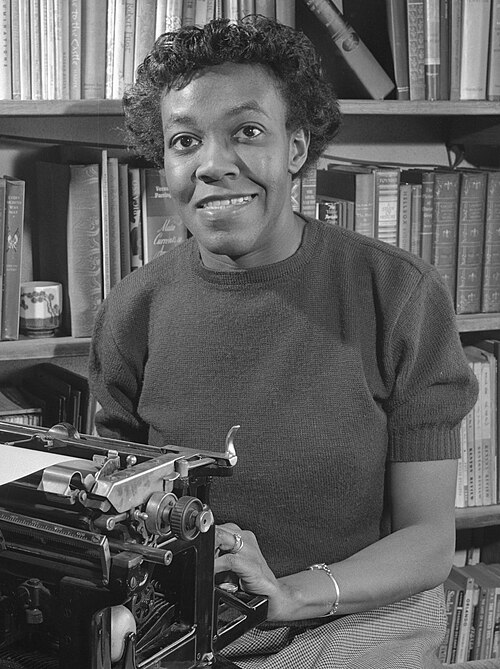
Primer For Blacks – Gwendolyn Brooks
Blackness
is a title,
is a preoccupation,
is a commitment Blacks
are to comprehend—
and in which you are
to perceive your Glory.
The conscious shout
of all that is white is
“It’s Great to be white.”
The conscious shout
of the slack in Black is
It’s Great to be white.”
Thus all that is white
has white strength and yours.
The word Black
has geographic power,
pulls everybody in:
Blacks here—
Blacks there—
Blacks wherever they may be.
And remember, you Blacks, what they told you—
remember your Education:
“one Drop—one Drop
maketh a brand new Black.”
Oh mighty Drop.
_____And because they have given us kindly
so many more of our people
Blackness
stretches over the land.
Blackness—
the Black of it,
the rust-red of it,
the milk and cream of it,
the tan and yellow-tan of it,
the deep-brown middle-brown high-brown of it,
the “olive” and ochre of it—
Blackness
marches on.
The huge, the pungent object of our prime out-ride
is to Comprehend,
to salute and to Love the fact that we are Black,
which is our “ultimate Reality,”
which is the lone ground
from which our meaningful metamorphosis,
from which our prosperous staccato,
group or individual, can rise.
Self-shriveled Blacks.
Begin with gaunt and marvelous concession:
YOU are our costume and our fundamental bone.
All of you—
you COLORED ones,
you NEGRO ones,
those of you who proudly cry
“I’m half INDian”—
those of you who proudly screech
“I’VE got the blood of George WASHington in MY
veins”
ALL of you—
you proper Blacks
you half-Blacks,
you wish-I-weren’t Blacks,
Niggeroes and Niggerenes.
You.
Poetry
- A Dog Has Died – Pablo Neruda
- A Moment of Silence – Emmanuel Ortiz
- A Quiet Life – Baron Wormser
- A Reminder – found and slightly edited from the webpage of a Methodist Church
- A Wreath to the Fish – Nancy Willard
- Acceptance Speech After Setting the World Record in Goosebumps – Andrea Gibson
- Against the Odds – David Lerner
- Aimless Love – Billy Collins
- Alone – Jack Gilbert
- Another Planet – Dunya Mikhail
- Be Kind, Rewind – Neil Silberblatt
- Big Conversation – Rosemerry Wahtola Trommer
- Black Momma Math – Kimberly Jae
- Boplicity or Jimmy Throws a Houseparty for Huey Newton – Daniel B. Summerhill
- Capitol Air – Allen Ginsburg
- Combat Primer – Charles Bukowski
- Crow – Doug Anderson
- Crow Blacker Than Ever – Ted Hughes
- Dear white people – Makhadzi Mudzweda
- Detour – Ruth Feldman
- Dismiss Whatever Insults Your Own Soul – Walt Whitman
- Do You Know What Today Is? – Danez Smith
- Don’t fall in love with a woman who reads – Martha Rivera-Garrido
- Failing and Flying – Jack Gilbert
- Father’s 95th Birthday
- Feel Mo – Michael Korson
- Footprints In Your Heart – Eleanor Roosvelt
- For Calling the Spirit Back from Wandering the Earth in Its Human Feet – Joy Harjo
- Forgetfulness – Billy Collins
- Gate A-4 – Naomi Shihab Nye
- Georgics: Book I excerpt – Virgil
- God – Brian Doyle
- God Says Yes To Me – Kaylin Haught
- Growing Old – Emma Rosenberg
- Half-light – Dāshaun Washington
- Homesick: A Plea for Our Planet – Andrea Gibson
- How Poetry Comes to Me – Ruah Bull
- How She Heard It – Todd Davis
- How to Slay a Dragon – Rebecca Dupas
- I Talked to a Lady – Tanya Howden
- I think every human being – Matt Moberg
- I Wish I Knew How It Would Feel to Be Free -Billy Taylor and Dick Dallas
- If You Knew – Ellen Bass
- Instructions before visiting Earth – James McCrae
- It Happens All the Time – Hafez
- KINDNESS – Naomi Shihab Nye
- Love at First Sight – Wisława Szymborska
- Love is Not All – Edna St. Vincent Millay
- Manifesto: The Mad Farmer Liberation Front – Wendell Berry
- Men – Maya Angelou
- Millennium Blessing – Stephen Levine
- my brain and heart divorced ~ john roedel
- My Country – Tony Hoagland
- Ode to Those Who Block Tunnels and Bridges – Sam Sax
- Old Man Eating Alone – Billy Collins
- Our Real Work – Wendell Berry
- Pilgrim at Tinker Creek excerpt – Annie Dillard
- Poetry – Pablo Neruda
- Prayer – Marie Howe
- Primer For Blacks – Gwendolyn Brooks
- Psalm for the Slightly Tilted – Ilya Kaminsky
- Record Player – Adrian Matejka
- Relax – Ellen Bass
- Shoveling Snow With Buddha – Billy Collins
- Sleeping in the Forest – Mary Oliver
- Small Stack of Books – Blake Nelson
- Soliloquy of the Solipsist – Sylvia Plath
- Spider – Andrea Gibson
- spring – Safia Elhillo
- Squirrel – Lynn Ungar
- Tangled Up In Blue – Bob Dylan
- Telephone Booth (number 905 1/2) – Pedro Pietri
- The Best Poem Ever – Brian Doyle
- The Caveman’s Lament – Brian Bilston
- The Four Noble Truths – Jake Onami Agnew
- The Future – Rosemerry Wahtola Trommer
- The History of One Tough Motherfucker – Charles Bukowski
- The Holy Longing – J.W. von Goethe
- The Layers – Stanley Kunitz
- The Long Boat – Stanley Kunitz
- The Lost Hotels of Paris – Jack Gilbert
- The Moon is Full Tonight – Billy Collins
- The Shyness – Sharon Olds
- The Silence of the Stars – David Wagoner
- The U.N. Headquarters in the High Commissioner’s House in Jerusalem – Yehuda Amichai
- The War Works Hard – Dunya Mikhail
- The World is Both Burning and Blooming – Karen Salmansohn
- To Diego with Love – Frida Kalko
- Tryst with Death – Gina Puorro
- Two poems – Yehuda Amichai
- Two-bloods – Rolando Kattan
- Wage Peace – Mary Oliver
- War Primer – Bertholt Brecht
- We are the Trees – J Raymond
- We will meet, don’t be in such a rush – Hala alShrouf
- Wendell Berry – Enriching the Earth
- Wendell Berry – The Loved Ones
- Wendell Berry – Two Poems
- What I Learned From Listening to a Stutterer – Ellen Zorin
- What lips my lips have kissed, and where, and why – Edna St. Vincent Millay
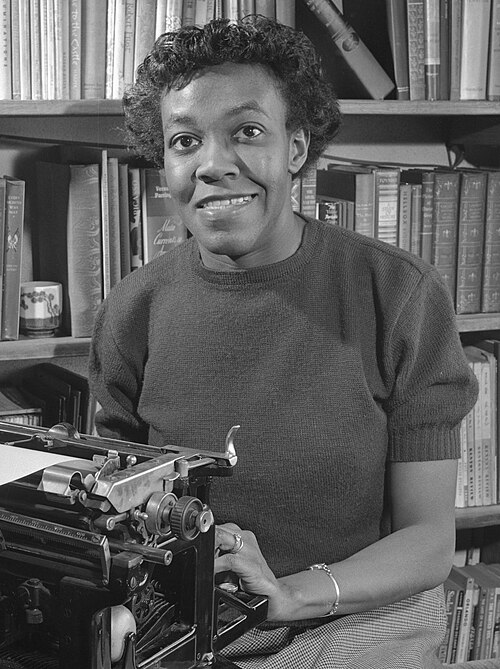
Our Real Work – Wendell Berry
It may be that when we no longer know what to do
we have come to our real work,
and that when we no longer know which way to go
we have come to our real journey.
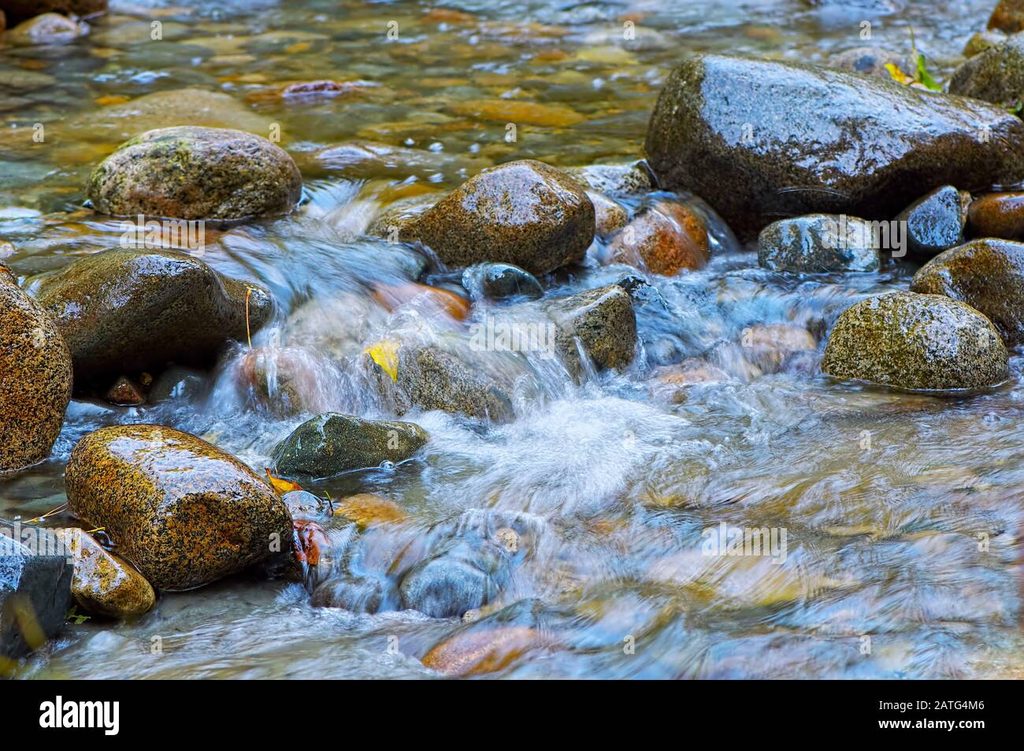
The mind that is not baffled is not employed.
The impeded stream is the one that sings.
Poetry
- A Dog Has Died – Pablo Neruda
- A Moment of Silence – Emmanuel Ortiz
- A Quiet Life – Baron Wormser
- A Reminder – found and slightly edited from the webpage of a Methodist Church
- A Wreath to the Fish – Nancy Willard
- Acceptance Speech After Setting the World Record in Goosebumps – Andrea Gibson
- Against the Odds – David Lerner
- Aimless Love – Billy Collins
- Alone – Jack Gilbert
- Another Planet – Dunya Mikhail
- Be Kind, Rewind – Neil Silberblatt
- Big Conversation – Rosemerry Wahtola Trommer
- Black Momma Math – Kimberly Jae
- Boplicity or Jimmy Throws a Houseparty for Huey Newton – Daniel B. Summerhill
- Capitol Air – Allen Ginsburg
- Combat Primer – Charles Bukowski
- Crow – Doug Anderson
- Crow Blacker Than Ever – Ted Hughes
- Dear white people – Makhadzi Mudzweda
- Detour – Ruth Feldman
- Dismiss Whatever Insults Your Own Soul – Walt Whitman
- Do You Know What Today Is? – Danez Smith
- Don’t fall in love with a woman who reads – Martha Rivera-Garrido
- Failing and Flying – Jack Gilbert
- Father’s 95th Birthday
- Feel Mo – Michael Korson
- Footprints In Your Heart – Eleanor Roosvelt
- For Calling the Spirit Back from Wandering the Earth in Its Human Feet – Joy Harjo
- Forgetfulness – Billy Collins
- Gate A-4 – Naomi Shihab Nye
- Georgics: Book I excerpt – Virgil
- God – Brian Doyle
- God Says Yes To Me – Kaylin Haught
- Growing Old – Emma Rosenberg
- Half-light – Dāshaun Washington
- Homesick: A Plea for Our Planet – Andrea Gibson
- How Poetry Comes to Me – Ruah Bull
- How She Heard It – Todd Davis
- How to Slay a Dragon – Rebecca Dupas
- I Talked to a Lady – Tanya Howden
- I think every human being – Matt Moberg
- I Wish I Knew How It Would Feel to Be Free -Billy Taylor and Dick Dallas
- If You Knew – Ellen Bass
- Instructions before visiting Earth – James McCrae
- It Happens All the Time – Hafez
- KINDNESS – Naomi Shihab Nye
- Love at First Sight – Wisława Szymborska
- Love is Not All – Edna St. Vincent Millay
- Manifesto: The Mad Farmer Liberation Front – Wendell Berry
- Men – Maya Angelou
- Millennium Blessing – Stephen Levine
- my brain and heart divorced ~ john roedel
- My Country – Tony Hoagland
- Ode to Those Who Block Tunnels and Bridges – Sam Sax
- Old Man Eating Alone – Billy Collins
- Our Real Work – Wendell Berry
- Pilgrim at Tinker Creek excerpt – Annie Dillard
- Poetry – Pablo Neruda
- Prayer – Marie Howe
- Primer For Blacks – Gwendolyn Brooks
- Psalm for the Slightly Tilted – Ilya Kaminsky
- Record Player – Adrian Matejka
- Relax – Ellen Bass
- Shoveling Snow With Buddha – Billy Collins
- Sleeping in the Forest – Mary Oliver
- Small Stack of Books – Blake Nelson
- Soliloquy of the Solipsist – Sylvia Plath
- Spider – Andrea Gibson
- spring – Safia Elhillo
- Squirrel – Lynn Ungar
- Tangled Up In Blue – Bob Dylan
- Telephone Booth (number 905 1/2) – Pedro Pietri
- The Best Poem Ever – Brian Doyle
- The Caveman’s Lament – Brian Bilston
- The Four Noble Truths – Jake Onami Agnew
- The Future – Rosemerry Wahtola Trommer
- The History of One Tough Motherfucker – Charles Bukowski
- The Holy Longing – J.W. von Goethe
- The Layers – Stanley Kunitz
- The Long Boat – Stanley Kunitz
- The Lost Hotels of Paris – Jack Gilbert
- The Moon is Full Tonight – Billy Collins
- The Shyness – Sharon Olds
- The Silence of the Stars – David Wagoner
- The U.N. Headquarters in the High Commissioner’s House in Jerusalem – Yehuda Amichai
- The War Works Hard – Dunya Mikhail
- The World is Both Burning and Blooming – Karen Salmansohn
- To Diego with Love – Frida Kalko
- Tryst with Death – Gina Puorro
- Two poems – Yehuda Amichai
- Two-bloods – Rolando Kattan
- Wage Peace – Mary Oliver
- War Primer – Bertholt Brecht
- We are the Trees – J Raymond
- We will meet, don’t be in such a rush – Hala alShrouf
- Wendell Berry – Enriching the Earth
- Wendell Berry – The Loved Ones
- Wendell Berry – Two Poems
- What I Learned From Listening to a Stutterer – Ellen Zorin
- What lips my lips have kissed, and where, and why – Edna St. Vincent Millay
Voyage to the Beginning
For my first 9D Breathwork workshop in 2025 I had set the intention to discover what my “soul” or inherited “essence” was and I had been very surprised, as described elsewhere, to discover that when I was in the womb I was both male and female and that I only became male after my birth by virtue of my genitalia. I felt that experience had been very important in terms of my soul discovery, or my soul retrieval, or my soul access work; that there was nothing more foundational than for me to understand that I was both male and female.
So when I went back for my second breath session a few months later I had the same intention, which was to learn more about my soul, and, for some reason, when I began deepening, I found myself in the company of my my father’s mother’s mother, my great grandmother, Toby Warshavski, the woman I wrote that little poetry book about how she saved my life when I was four years old. And as I thought about my beloved great grandmother, I remembered that she too had been a little child, and that she had had a father and a mother, although it was the father’s line that I was particularly interested in. And I imagined/visualized her father, probably in the 1830s, and I greeted him and actually opened my arms and hugged him. And then I remembered that he had been a little boy and had had a father and that took me back into the 1780s or the American revolutionary times, and I hugged that man and then that father’s father went back to the 17th and then the 16th century and the 15th century, and as I was following these men and hugging these men from whom I was descended I got back to the time of the butcher Columbus’s voyage to the so-called New World, and the fact that I had had Jewish ancestors in Moorish Spain at that time, and that Jews were on Columbus’s ships, and that my ancestors of that time had learned about the New World, at the same time that they were being expelled from Moorish Spain, and that some of my ancestors were people who had walked to Spain in the middle ages and had then walked away from Spain, often back to the holy land or Northern Africa or eastern European countries. These very people, including some of my ancestors, had been welcome in many Muslim countries, and the image of my ancestors walking to and fro became very powerful for me, and I traveled back beyond the Middle Ages, and continued back to the time of Christ. Only I was now not going generation by generation but jumping back centuries at a time, back to Christ, and then back to Moses, and beyond. And the fact was that I had ancestors who had walked into Egypt and generations later ancestors who walked with Moses from Egypt to the holy land. And there I was, back in the time of King David and young David and Goliath … and my ancestors were there and I hugged them and I was there.
I then went back to the cave people where I’ve often started my autobiography and have often said that I can absolutely and concretely feel that I was descended from people 50,000 years ago making handprints in blood on the walls of the cave. And I went beyond that, back to the earliest stages of humankind, and I felt that I had walked back millions of years, walking, walking, back to the Australopithecines, back to Lucy and her kin, and I knew for certain that one of her contemporaries was my ancestor, both a male and a female ancestor. And I pictured the primates as I continued as my own direct ancestor walking backwards through time. Walking. Walking. And I kept going further and further back… back to when the first animals walked on the land, and then back to being the creatures in the sea who were my ancestors. And then back to the first forms of life on Earth. And then even back to the big bang, to the explosion that had fostered the current iteration of space and time and matter, and I was back at my lifelong obsession with the question of how something could come from nothing … or how it always was – which solved nothing about origins – there being just soooo much mass – and I truly don’t understand. And I know I don’t know. And can’t know. And I can’t stand that I don’t know the answer to how something can come from nothing and that saying it always was and always will be solves nothing. Whereupon I started mumbling “I know that I don’t know,” and “I know that I can’t know.”
And then started my journey of returning to the present, first as atoms, then molecules, then stars and suns, planets, the Earth and the sun, and the elements that became the combination of molecules that produced the first life that led to the creatures of the sea that came out onto the land and that were able to walk into primates and Lucy and I was working my way back, and back, and back. And I came back to my great grandmother, Toby. And I came back to my grandfather on my father’s side, Samuel, a man I knew, and I came back to my father, and I knew with great clarity something about my father’s deep deep tension between the soft soul of the man he was and the demand that as a man he be strong and macho and fearless and how I had directly inherited the part of me that needed to be a man, and to be strong, and to know what being a father was and then to the very point in my life when I realized I no longer needed to be that person, that I had become a spiritual person, that I was on a spiritual journey and even believed in the existence of some sort of higher power which I’ve actually come to “know,” and I felt in that sense that I also knew as much of my “soul” as I would ever be able or capable of knowing, and it was satisfactory, that although I knew I couldn’t “know,” and I would never know how something came from nothing, that I had traced the journey of my soul from its origins into my current body and current consciousness where it lives appreciatively today.

I Bow to Time
I bow to time
Quite literally
In the kitchen
Before the clock with the pendulum
I pause to consider my options
And conflicting desires
Wants, needs
To walk in sunshine
To read, to exercise
To correspond, to work
To eat, to dream
To study, to sing
I bow before time
As a Japanese warrior
Bowing in respect before the battle
Bowing in respect after the battle
Win or lose
Honoring the adversary
Who makes your battle possible
Honoring the ally
Who makes your battle possible
Meaningful
Challenging
Joyful
Sad
Inside the bow is gratitude and respect
For what I am given and what I am not
Here
In this nanosecond of cosmic time that is my life
Our life
Awareness
Choices
Gratitude
Love
Swept up in time
One moment it is stormy
The next bright sunshine
If you don’t like the weather
Wait around a few minutes
I bow to the clock
To time
To limits
To reality so called
To my spirit
To my flesh
To the great mind
The bow
Is delicious
© 1980s
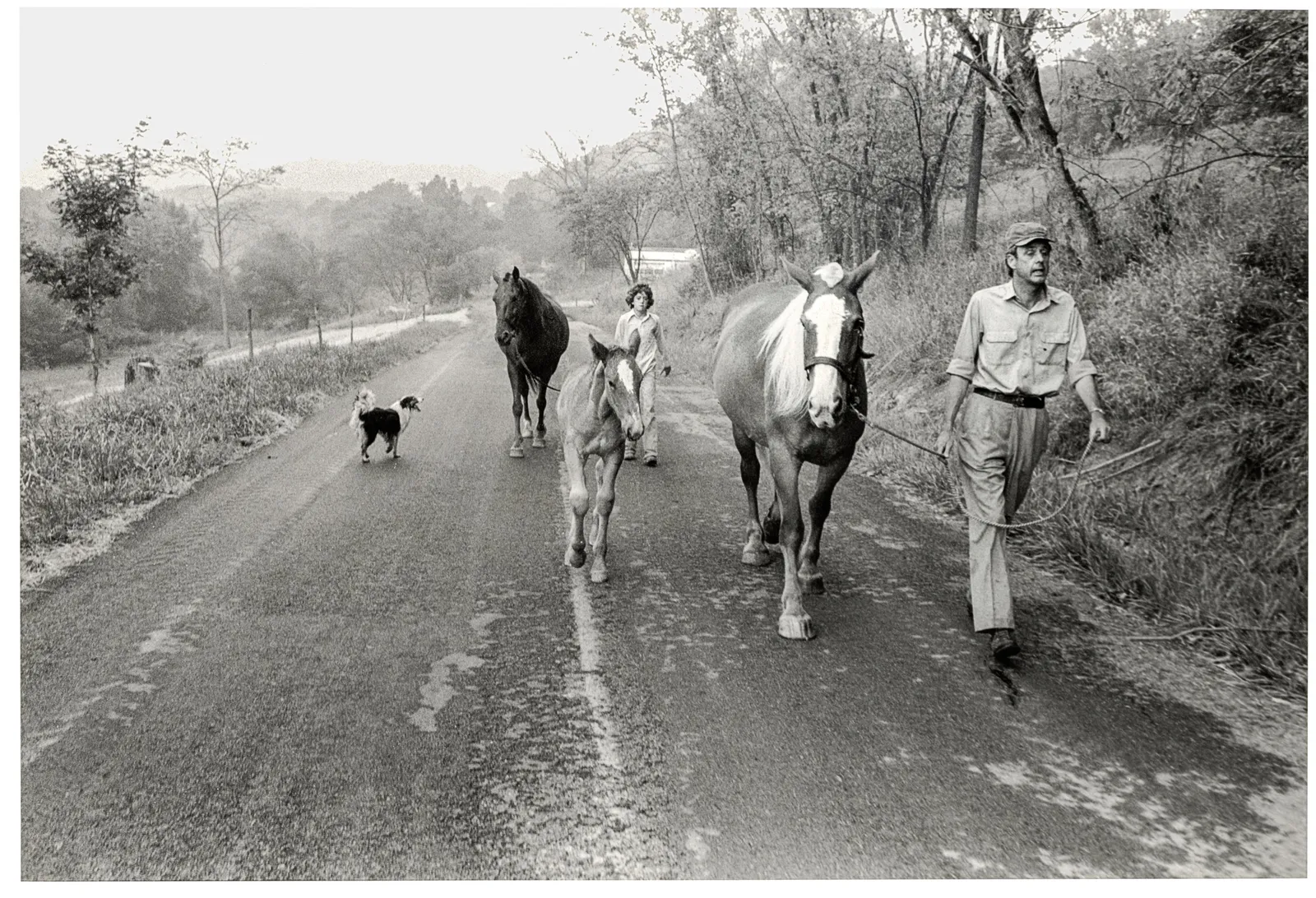
Wendell Berry – The Loved Ones
The loved ones we call the dead
depart from us and for a while
are absent. And then as if
called back by our love, they come
near us again. They enter our dreams.
We feel they have been near us
when we have not thought of them.
They are simply here, simply waiting
while we are distracted among
our obligations. At last
it comes to us: They live now
in the permanent world.
We are the absent ones.
Poetry
- A Dog Has Died – Pablo Neruda
- A Moment of Silence – Emmanuel Ortiz
- A Quiet Life – Baron Wormser
- A Reminder – found and slightly edited from the webpage of a Methodist Church
- A Wreath to the Fish – Nancy Willard
- Acceptance Speech After Setting the World Record in Goosebumps – Andrea Gibson
- Against the Odds – David Lerner
- Aimless Love – Billy Collins
- Alone – Jack Gilbert
- Another Planet – Dunya Mikhail
- Be Kind, Rewind – Neil Silberblatt
- Big Conversation – Rosemerry Wahtola Trommer
- Black Momma Math – Kimberly Jae
- Boplicity or Jimmy Throws a Houseparty for Huey Newton – Daniel B. Summerhill
- Capitol Air – Allen Ginsburg
- Combat Primer – Charles Bukowski
- Crow – Doug Anderson
- Crow Blacker Than Ever – Ted Hughes
- Dear white people – Makhadzi Mudzweda
- Detour – Ruth Feldman
- Dismiss Whatever Insults Your Own Soul – Walt Whitman
- Do You Know What Today Is? – Danez Smith
- Don’t fall in love with a woman who reads – Martha Rivera-Garrido
- Failing and Flying – Jack Gilbert
- Father’s 95th Birthday
- Feel Mo – Michael Korson
- Footprints In Your Heart – Eleanor Roosvelt
- For Calling the Spirit Back from Wandering the Earth in Its Human Feet – Joy Harjo
- Forgetfulness – Billy Collins
- Gate A-4 – Naomi Shihab Nye
- Georgics: Book I excerpt – Virgil
- God – Brian Doyle
- God Says Yes To Me – Kaylin Haught
- Growing Old – Emma Rosenberg
- Half-light – Dāshaun Washington
- Homesick: A Plea for Our Planet – Andrea Gibson
- How Poetry Comes to Me – Ruah Bull
- How She Heard It – Todd Davis
- How to Slay a Dragon – Rebecca Dupas
- I Talked to a Lady – Tanya Howden
- I think every human being – Matt Moberg
- I Wish I Knew How It Would Feel to Be Free -Billy Taylor and Dick Dallas
- If You Knew – Ellen Bass
- Instructions before visiting Earth – James McCrae
- It Happens All the Time – Hafez
- KINDNESS – Naomi Shihab Nye
- Love at First Sight – Wisława Szymborska
- Love is Not All – Edna St. Vincent Millay
- Manifesto: The Mad Farmer Liberation Front – Wendell Berry
- Men – Maya Angelou
- Millennium Blessing – Stephen Levine
- my brain and heart divorced ~ john roedel
- My Country – Tony Hoagland
- Ode to Those Who Block Tunnels and Bridges – Sam Sax
- Old Man Eating Alone – Billy Collins
- Our Real Work – Wendell Berry
- Pilgrim at Tinker Creek excerpt – Annie Dillard
- Poetry – Pablo Neruda
- Prayer – Marie Howe
- Primer For Blacks – Gwendolyn Brooks
- Psalm for the Slightly Tilted – Ilya Kaminsky
- Record Player – Adrian Matejka
- Relax – Ellen Bass
- Shoveling Snow With Buddha – Billy Collins
- Sleeping in the Forest – Mary Oliver
- Small Stack of Books – Blake Nelson
- Soliloquy of the Solipsist – Sylvia Plath
- Spider – Andrea Gibson
- spring – Safia Elhillo
- Squirrel – Lynn Ungar
- Tangled Up In Blue – Bob Dylan
- Telephone Booth (number 905 1/2) – Pedro Pietri
- The Best Poem Ever – Brian Doyle
- The Caveman’s Lament – Brian Bilston
- The Four Noble Truths – Jake Onami Agnew
- The Future – Rosemerry Wahtola Trommer
- The History of One Tough Motherfucker – Charles Bukowski
- The Holy Longing – J.W. von Goethe
- The Layers – Stanley Kunitz
- The Long Boat – Stanley Kunitz
- The Lost Hotels of Paris – Jack Gilbert
- The Moon is Full Tonight – Billy Collins
- The Shyness – Sharon Olds
- The Silence of the Stars – David Wagoner
- The U.N. Headquarters in the High Commissioner’s House in Jerusalem – Yehuda Amichai
- The War Works Hard – Dunya Mikhail
- The World is Both Burning and Blooming – Karen Salmansohn
- To Diego with Love – Frida Kalko
- Tryst with Death – Gina Puorro
- Two poems – Yehuda Amichai
- Two-bloods – Rolando Kattan
- Wage Peace – Mary Oliver
- War Primer – Bertholt Brecht
- We are the Trees – J Raymond
- We will meet, don’t be in such a rush – Hala alShrouf
- Wendell Berry – Enriching the Earth
- Wendell Berry – The Loved Ones
- Wendell Berry – Two Poems
- What I Learned From Listening to a Stutterer – Ellen Zorin
- What lips my lips have kissed, and where, and why – Edna St. Vincent Millay
Soul Voyage – 2025
For my first 9D Breathwork workshop in 2025 I had set the intention to discover what my “soul” or inherited “essence” was and I had been very surprised, as described elsewhere, to discover that when I was in the womb I was both male and female and that I only became male after my birth by virtue of my genitalia. I felt that experience had been very important in terms of my soul discovery, or my soul retrieval, or my soul access work; that there was nothing more foundational than for me to understand that I was both male and female.
So when I went back for my second breath session a few months later I had the same intention, which was to learn more about my soul, and, for some reason, when I began deepening, I found myself in the company of my my father’s mother’s mother, my great grandmother, Toby Warshavski, the woman I wrote that little poetry book about how she saved my life when I was four years old. And as I thought about my beloved great grandmother, I remembered that she too had been a little child, and that she had had a father and a mother, although it was the father’s line that I was particularly interested in. And I imagined/visualized her father, probably in the 1830s, and I greeted him and actually opened my arms and hugged him. And then I remembered that he had been a little boy and had had a father and that took me back into the 1780s or the American revolutionary times, and I hugged that man and then that father’s father went back to the 17th and then the 16th century and the 15th century, and as I was following these men and hugging these men I got back to the time of the butcher Columbus’s voyage to the so-called New World, and the fact that I had had Jewish ancestors in Moorish Spain at that time, and that Jews were on Columbus’s ships, and that my ancestors of that time had learned about the New World, and were also expelled from Moorish Spain, and that some of my ancestors were people who had walked to Spain in the middle ages and had then walked away from Spain, often back to the holy land or Northern Africa or eastern European countries. These people, including some of my ancestors had been welcome in many Muslim countries, and the image of my ancestors walking to and fro became very powerful for me, and I went back beyond the Middle Ages, and then I went back to the time of Christ. And I was now not going generation by generation but jumping back centuries at a time, back to Christ, and then back to Moses. And the fact is that I had ancestors who walked with Moses from Egypt to the holy land. And then I was back in the time of King David and young David and Goliath … and my ancestors were there and I hugged them and I was there.
I then went back to the cave people where I’ve often started my autobiography and have often said that I can absolutely and concretely feel that I was descended from people 50,000 years ago making handprints in blood on the walls of the cave. And then I went beyond that, back to the earliest stages of humankind, and I felt that I had walked back millions of years, walking, walking, back to the Australopithecines, to Lucy, and I knew for certain that one of her contemporaries was my ancestor, both a male and a female. And I pictured the primates walking backwards through time. Walking. Walking. And I kept going further and further back… back to when the first animals walked on the land, and then back to being the creatures in the sea who were my ancestors. And then back to the first forms of life on Earth. And then even back to the big bang, to the explosion that had fostered the current iteration of space and time and matter, and I was back at my lifelong obsession with the question of how something could come from nothing … or how it always was – which solved nothing about origins – and there’s just soooo much mass – and I just don’t understand. And I know I don’t know. And can’t know. And I can’t stand that I don’t know the answer to how something can come from nothing and that saying it always was and always will be solves nothing. Whereupon I started mumbling “I know that I don’t know,” and “I know that I can’t know.” And then I started my journey of returning to the present, first as atoms, then molecules, then stars and suns, planets, the Earth and the sun, and the gases that led to the combination of molecules that produced the first life that led to the creatures of the sea that came out onto the land and that were able to walk into primates and Lucy and I was working my way back, and back, and back. And I came back to my great grandmother. I came back to my grandfather on my patriarchal side, a man who I knew, and I came back to my father, and I knew something about my father’s deep deep tension between the soft soul of the man he was and the demand that as a man he be strong and macho and fearless and blah blah blah and how I had directly inherited the part of me that needed to be a man, and needed to be strong, and needed to know what being a father was and then, at this very point in my life, when I realized I no longer needed to be that person, that I had become a spiritual person, that I was on a spiritual journey and even believed in the existence of some sort of higher power which I’ve actually come to “know,” and I felt in that sense that I also knew as much of my “soul” as I would ever be able or capable of knowing, that it was satisfactory, and that although I knew I couldn’t – that I didn’t – “know,” and I would never know how something came from nothing, that I had traced the journey of my soul into my current body and current consciousness where it lives today.
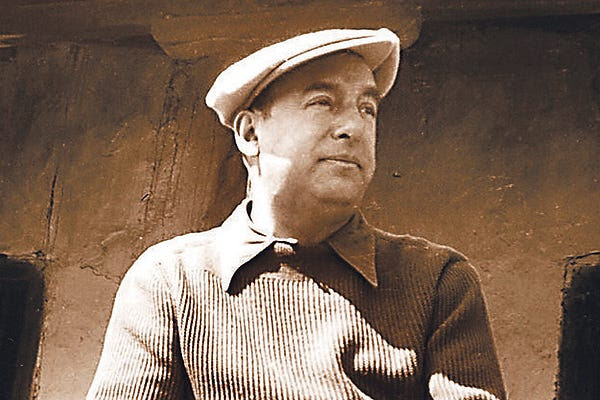
Poetry – Pablo Neruda
And it was at that age…
Poetry arrived
in search of me. I don’t know, I don’t know where
it came from, from winter or a river.
I don’t know how or when,
no they were not voices, they were not
words, nor silence,
but from a street I was summoned,
from the branches of night,
abruptly from the others,
among violent fires
or returning alone,
there I was without a face
and it touched me.
I did not know what to say, my mouth
had no way
with names,
my eyes were blind,
and something started in my soul,
fever or forgotten wings,
and I made my own way,
deciphering
that fire,
and I wrote the first faint line,
faint, without substance, pure
nonsense,
pure wisdom
of someone who knows nothing,
and suddenly I saw
the heavens
unfastened
and open,
planets,
palpitating plantations,
shadow perforated,
riddled
with arrows, fire and flowers,
the winding night, the universe.
And I, infinitesimal being,
drunk with the great starry
void,
likeness, image of
mystery,
felt myself a pure part
of the abyss,
I wheeled with the stars,
my heart broke loose on the wind.
Poetry
- A Dog Has Died – Pablo Neruda
- A Moment of Silence – Emmanuel Ortiz
- A Quiet Life – Baron Wormser
- A Reminder – found and slightly edited from the webpage of a Methodist Church
- A Wreath to the Fish – Nancy Willard
- Acceptance Speech After Setting the World Record in Goosebumps – Andrea Gibson
- Against the Odds – David Lerner
- Aimless Love – Billy Collins
- Alone – Jack Gilbert
- Another Planet – Dunya Mikhail
- Be Kind, Rewind – Neil Silberblatt
- Big Conversation – Rosemerry Wahtola Trommer
- Black Momma Math – Kimberly Jae
- Boplicity or Jimmy Throws a Houseparty for Huey Newton – Daniel B. Summerhill
- Capitol Air – Allen Ginsburg
- Combat Primer – Charles Bukowski
- Crow – Doug Anderson
- Crow Blacker Than Ever – Ted Hughes
- Dear white people – Makhadzi Mudzweda
- Detour – Ruth Feldman
- Dismiss Whatever Insults Your Own Soul – Walt Whitman
- Do You Know What Today Is? – Danez Smith
- Don’t fall in love with a woman who reads – Martha Rivera-Garrido
- Failing and Flying – Jack Gilbert
- Father’s 95th Birthday
- Feel Mo – Michael Korson
- Footprints In Your Heart – Eleanor Roosvelt
- For Calling the Spirit Back from Wandering the Earth in Its Human Feet – Joy Harjo
- Forgetfulness – Billy Collins
- Gate A-4 – Naomi Shihab Nye
- Georgics: Book I excerpt – Virgil
- God – Brian Doyle
- God Says Yes To Me – Kaylin Haught
- Growing Old – Emma Rosenberg
- Half-light – Dāshaun Washington
- Homesick: A Plea for Our Planet – Andrea Gibson
- How Poetry Comes to Me – Ruah Bull
- How She Heard It – Todd Davis
- How to Slay a Dragon – Rebecca Dupas
- I Talked to a Lady – Tanya Howden
- I think every human being – Matt Moberg
- I Wish I Knew How It Would Feel to Be Free -Billy Taylor and Dick Dallas
- If You Knew – Ellen Bass
- Instructions before visiting Earth – James McCrae
- It Happens All the Time – Hafez
- KINDNESS – Naomi Shihab Nye
- Love at First Sight – Wisława Szymborska
- Love is Not All – Edna St. Vincent Millay
- Manifesto: The Mad Farmer Liberation Front – Wendell Berry
- Men – Maya Angelou
- Millennium Blessing – Stephen Levine
- my brain and heart divorced ~ john roedel
- My Country – Tony Hoagland
- Ode to Those Who Block Tunnels and Bridges – Sam Sax
- Old Man Eating Alone – Billy Collins
- Our Real Work – Wendell Berry
- Pilgrim at Tinker Creek excerpt – Annie Dillard
- Poetry – Pablo Neruda
- Prayer – Marie Howe
- Primer For Blacks – Gwendolyn Brooks
- Psalm for the Slightly Tilted – Ilya Kaminsky
- Record Player – Adrian Matejka
- Relax – Ellen Bass
- Shoveling Snow With Buddha – Billy Collins
- Sleeping in the Forest – Mary Oliver
- Small Stack of Books – Blake Nelson
- Soliloquy of the Solipsist – Sylvia Plath
- Spider – Andrea Gibson
- spring – Safia Elhillo
- Squirrel – Lynn Ungar
- Tangled Up In Blue – Bob Dylan
- Telephone Booth (number 905 1/2) – Pedro Pietri
- The Best Poem Ever – Brian Doyle
- The Caveman’s Lament – Brian Bilston
- The Four Noble Truths – Jake Onami Agnew
- The Future – Rosemerry Wahtola Trommer
- The History of One Tough Motherfucker – Charles Bukowski
- The Holy Longing – J.W. von Goethe
- The Layers – Stanley Kunitz
- The Long Boat – Stanley Kunitz
- The Lost Hotels of Paris – Jack Gilbert
- The Moon is Full Tonight – Billy Collins
- The Shyness – Sharon Olds
- The Silence of the Stars – David Wagoner
- The U.N. Headquarters in the High Commissioner’s House in Jerusalem – Yehuda Amichai
- The War Works Hard – Dunya Mikhail
- The World is Both Burning and Blooming – Karen Salmansohn
- To Diego with Love – Frida Kalko
- Tryst with Death – Gina Puorro
- Two poems – Yehuda Amichai
- Two-bloods – Rolando Kattan
- Wage Peace – Mary Oliver
- War Primer – Bertholt Brecht
- We are the Trees – J Raymond
- We will meet, don’t be in such a rush – Hala alShrouf
- Wendell Berry – Enriching the Earth
- Wendell Berry – The Loved Ones
- Wendell Berry – Two Poems
- What I Learned From Listening to a Stutterer – Ellen Zorin
- What lips my lips have kissed, and where, and why – Edna St. Vincent Millay
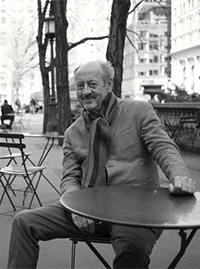
Aimless Love – Billy Collins
This morning as I walked along the lakeshore,
I fell in love with a wren
and later in the day with a mouse
the cat had dropped under the dining room table.
In the shadows of an autumn evening,
I fell for a seamstress
still at her machine in the tailor’s window,
and later for a bowl of broth,
steam rising like smoke from a naval battle.
This is the best kind of love, I thought,
without recompense, without gifts,
or unkind words, without suspicion,
or silence on the telephone.
The love of the chestnut,
the jazz cap and one hand on the wheel.
No lust, no slam of the door —
the love of the miniature orange tree,
the clean white shirt, the hot evening shower,
the highway that cuts across Florida.
No waiting, no huffiness, or rancor —
just a twinge every now and then
for the wren who had built her nest
on a low branch overhanging the water
and for the dead mouse,
still dressed in its light brown suit.
But my heart is always propped up in a field on its tripod,
ready for the next arrow.
After I carried the mouse by the tail
to a pile of leaves in the woods,
I found myself standing at the bathroom sink
gazing down affectionately at the soap,
so patient and soluble,
so at home in its pale green soap dish.
I could feel myself falling again
as I felt its turning in my wet hands
and caught the scent of lavender and stone.
Poetry
- A Dog Has Died – Pablo Neruda
- A Moment of Silence – Emmanuel Ortiz
- A Quiet Life – Baron Wormser
- A Reminder – found and slightly edited from the webpage of a Methodist Church
- A Wreath to the Fish – Nancy Willard
- Acceptance Speech After Setting the World Record in Goosebumps – Andrea Gibson
- Against the Odds – David Lerner
- Aimless Love – Billy Collins
- Alone – Jack Gilbert
- Another Planet – Dunya Mikhail
- Be Kind, Rewind – Neil Silberblatt
- Big Conversation – Rosemerry Wahtola Trommer
- Black Momma Math – Kimberly Jae
- Boplicity or Jimmy Throws a Houseparty for Huey Newton – Daniel B. Summerhill
- Capitol Air – Allen Ginsburg
- Combat Primer – Charles Bukowski
- Crow – Doug Anderson
- Crow Blacker Than Ever – Ted Hughes
- Dear white people – Makhadzi Mudzweda
- Detour – Ruth Feldman
- Dismiss Whatever Insults Your Own Soul – Walt Whitman
- Do You Know What Today Is? – Danez Smith
- Don’t fall in love with a woman who reads – Martha Rivera-Garrido
- Failing and Flying – Jack Gilbert
- Father’s 95th Birthday
- Feel Mo – Michael Korson
- Footprints In Your Heart – Eleanor Roosvelt
- For Calling the Spirit Back from Wandering the Earth in Its Human Feet – Joy Harjo
- Forgetfulness – Billy Collins
- Gate A-4 – Naomi Shihab Nye
- Georgics: Book I excerpt – Virgil
- God – Brian Doyle
- God Says Yes To Me – Kaylin Haught
- Growing Old – Emma Rosenberg
- Half-light – Dāshaun Washington
- Homesick: A Plea for Our Planet – Andrea Gibson
- How Poetry Comes to Me – Ruah Bull
- How She Heard It – Todd Davis
- How to Slay a Dragon – Rebecca Dupas
- I Talked to a Lady – Tanya Howden
- I think every human being – Matt Moberg
- I Wish I Knew How It Would Feel to Be Free -Billy Taylor and Dick Dallas
- If You Knew – Ellen Bass
- Instructions before visiting Earth – James McCrae
- It Happens All the Time – Hafez
- KINDNESS – Naomi Shihab Nye
- Love at First Sight – Wisława Szymborska
- Love is Not All – Edna St. Vincent Millay
- Manifesto: The Mad Farmer Liberation Front – Wendell Berry
- Men – Maya Angelou
- Millennium Blessing – Stephen Levine
- my brain and heart divorced ~ john roedel
- My Country – Tony Hoagland
- Ode to Those Who Block Tunnels and Bridges – Sam Sax
- Old Man Eating Alone – Billy Collins
- Our Real Work – Wendell Berry
- Pilgrim at Tinker Creek excerpt – Annie Dillard
- Poetry – Pablo Neruda
- Prayer – Marie Howe
- Primer For Blacks – Gwendolyn Brooks
- Psalm for the Slightly Tilted – Ilya Kaminsky
- Record Player – Adrian Matejka
- Relax – Ellen Bass
- Shoveling Snow With Buddha – Billy Collins
- Sleeping in the Forest – Mary Oliver
- Small Stack of Books – Blake Nelson
- Soliloquy of the Solipsist – Sylvia Plath
- Spider – Andrea Gibson
- spring – Safia Elhillo
- Squirrel – Lynn Ungar
- Tangled Up In Blue – Bob Dylan
- Telephone Booth (number 905 1/2) – Pedro Pietri
- The Best Poem Ever – Brian Doyle
- The Caveman’s Lament – Brian Bilston
- The Four Noble Truths – Jake Onami Agnew
- The Future – Rosemerry Wahtola Trommer
- The History of One Tough Motherfucker – Charles Bukowski
- The Holy Longing – J.W. von Goethe
- The Layers – Stanley Kunitz
- The Long Boat – Stanley Kunitz
- The Lost Hotels of Paris – Jack Gilbert
- The Moon is Full Tonight – Billy Collins
- The Shyness – Sharon Olds
- The Silence of the Stars – David Wagoner
- The U.N. Headquarters in the High Commissioner’s House in Jerusalem – Yehuda Amichai
- The War Works Hard – Dunya Mikhail
- The World is Both Burning and Blooming – Karen Salmansohn
- To Diego with Love – Frida Kalko
- Tryst with Death – Gina Puorro
- Two poems – Yehuda Amichai
- Two-bloods – Rolando Kattan
- Wage Peace – Mary Oliver
- War Primer – Bertholt Brecht
- We are the Trees – J Raymond
- We will meet, don’t be in such a rush – Hala alShrouf
- Wendell Berry – Enriching the Earth
- Wendell Berry – The Loved Ones
- Wendell Berry – Two Poems
- What I Learned From Listening to a Stutterer – Ellen Zorin
- What lips my lips have kissed, and where, and why – Edna St. Vincent Millay
The Future – Rosemerry Wahtola Trommer
I know I like to keep my secrets close. It’s who I am.
That doesn’t mean I don’t love you. Doesn’t mean
I don’t appreciate it when you plant larkspur
and roses, lavender bushes and apricot trees,
as if you believe in investing in a world years from now.
Of course, I appreciate the way you call your congressmen
to tell them about the world you believe we could live in.
I love every time you put a letter in the mail with a stamp,
every time you learn a new skill or make a ten-year-plan.
How beautiful you are to me when you dream.
It’s lonely here, of course. Everyone always coming toward
but never arriving. I’m not complaining.
Being the future has its perks. Like infinite potential.
Like hope. I know it’s hard sometimes to believe
you will ever get through this. But haven’t you learned by now
that just because you don’t see the way forward
doesn’t mean they way doesn’t exist?
That is the only promise I can make you, sweetheart.
You can’t see the path. But here it is.
Poetry
- A Dog Has Died – Pablo Neruda
- A Moment of Silence – Emmanuel Ortiz
- A Quiet Life – Baron Wormser
- A Reminder – found and slightly edited from the webpage of a Methodist Church
- A Wreath to the Fish – Nancy Willard
- Acceptance Speech After Setting the World Record in Goosebumps – Andrea Gibson
- Against the Odds – David Lerner
- Aimless Love – Billy Collins
- Alone – Jack Gilbert
- Another Planet – Dunya Mikhail
- Be Kind, Rewind – Neil Silberblatt
- Big Conversation – Rosemerry Wahtola Trommer
- Black Momma Math – Kimberly Jae
- Boplicity or Jimmy Throws a Houseparty for Huey Newton – Daniel B. Summerhill
- Capitol Air – Allen Ginsburg
- Combat Primer – Charles Bukowski
- Crow – Doug Anderson
- Crow Blacker Than Ever – Ted Hughes
- Dear white people – Makhadzi Mudzweda
- Detour – Ruth Feldman
- Dismiss Whatever Insults Your Own Soul – Walt Whitman
- Do You Know What Today Is? – Danez Smith
- Don’t fall in love with a woman who reads – Martha Rivera-Garrido
- Failing and Flying – Jack Gilbert
- Father’s 95th Birthday
- Feel Mo – Michael Korson
- Footprints In Your Heart – Eleanor Roosvelt
- For Calling the Spirit Back from Wandering the Earth in Its Human Feet – Joy Harjo
- Forgetfulness – Billy Collins
- Gate A-4 – Naomi Shihab Nye
- Georgics: Book I excerpt – Virgil
- God – Brian Doyle
- God Says Yes To Me – Kaylin Haught
- Growing Old – Emma Rosenberg
- Half-light – Dāshaun Washington
- Homesick: A Plea for Our Planet – Andrea Gibson
- How Poetry Comes to Me – Ruah Bull
- How She Heard It – Todd Davis
- How to Slay a Dragon – Rebecca Dupas
- I Talked to a Lady – Tanya Howden
- I think every human being – Matt Moberg
- I Wish I Knew How It Would Feel to Be Free -Billy Taylor and Dick Dallas
- If You Knew – Ellen Bass
- Instructions before visiting Earth – James McCrae
- It Happens All the Time – Hafez
- KINDNESS – Naomi Shihab Nye
- Love at First Sight – Wisława Szymborska
- Love is Not All – Edna St. Vincent Millay
- Manifesto: The Mad Farmer Liberation Front – Wendell Berry
- Men – Maya Angelou
- Millennium Blessing – Stephen Levine
- my brain and heart divorced ~ john roedel
- My Country – Tony Hoagland
- Ode to Those Who Block Tunnels and Bridges – Sam Sax
- Old Man Eating Alone – Billy Collins
- Our Real Work – Wendell Berry
- Pilgrim at Tinker Creek excerpt – Annie Dillard
- Poetry – Pablo Neruda
- Prayer – Marie Howe
- Primer For Blacks – Gwendolyn Brooks
- Psalm for the Slightly Tilted – Ilya Kaminsky
- Record Player – Adrian Matejka
- Relax – Ellen Bass
- Shoveling Snow With Buddha – Billy Collins
- Sleeping in the Forest – Mary Oliver
- Small Stack of Books – Blake Nelson
- Soliloquy of the Solipsist – Sylvia Plath
- Spider – Andrea Gibson
- spring – Safia Elhillo
- Squirrel – Lynn Ungar
- Tangled Up In Blue – Bob Dylan
- Telephone Booth (number 905 1/2) – Pedro Pietri
- The Best Poem Ever – Brian Doyle
- The Caveman’s Lament – Brian Bilston
- The Four Noble Truths – Jake Onami Agnew
- The Future – Rosemerry Wahtola Trommer
- The History of One Tough Motherfucker – Charles Bukowski
- The Holy Longing – J.W. von Goethe
- The Layers – Stanley Kunitz
- The Long Boat – Stanley Kunitz
- The Lost Hotels of Paris – Jack Gilbert
- The Moon is Full Tonight – Billy Collins
- The Shyness – Sharon Olds
- The Silence of the Stars – David Wagoner
- The U.N. Headquarters in the High Commissioner’s House in Jerusalem – Yehuda Amichai
- The War Works Hard – Dunya Mikhail
- The World is Both Burning and Blooming – Karen Salmansohn
- To Diego with Love – Frida Kalko
- Tryst with Death – Gina Puorro
- Two poems – Yehuda Amichai
- Two-bloods – Rolando Kattan
- Wage Peace – Mary Oliver
- War Primer – Bertholt Brecht
- We are the Trees – J Raymond
- We will meet, don’t be in such a rush – Hala alShrouf
- Wendell Berry – Enriching the Earth
- Wendell Berry – The Loved Ones
- Wendell Berry – Two Poems
- What I Learned From Listening to a Stutterer – Ellen Zorin
- What lips my lips have kissed, and where, and why – Edna St. Vincent Millay