
Archives
now browsing by author
My Country – Tony Hoagland
When I think of what I know about America,
I think of kissing my best friend’s wife
in the parking lot of the zoo one afternoon,
just over the wall from the lion’s cage.
One minute making small talk, the next
my face was moving down to meet her
wet and open, upturned mouth.
It was a kind of patriotic act,
pledging our allegiance to the pleasure
and not the consequence, crossing over the border
of what we were supposed to do,
burning our bridges and making our bed
to an orchestra of screaming birds
and the smell of elephant manure. Over her shoulder
I could see the sun, burning palely in the winter sky
and I thought of my friend, who always tries
to see the good in situations—how an innocence
like that shouldn’t be betrayed.
Then she took my lip between her teeth,
I slipped my hand inside her skirt and felt
my principles blinking out behind me
like streetlights in a town where I had never
lived, to which I never intended to return.
And who was left to speak of what had happened?
And who would ever be brave, or lonely,
or free enough to ask?
Poetry

What lips my lips have kissed, and where, and why – Edna St. Vincent Millay
What lips my lips have kissed, and where, and why,
I have forgotten, and what arms have lain
Under my head till morning; but the rain
Is full of ghosts tonight, that tap and sigh
Upon the glass and listen for reply,
And in my heart there stirs a quiet pain
For unremembered lads that not again
Will turn to me at midnight with a cry.
Thus in winter stands the lonely tree,
Nor knows what birds have vanished one by one,
Yet knows its boughs more silent than before:
I cannot say what loves have come and gone,
I only know that summer sang in me
A little while, that in me sings no more.
Poetry
Big Conversation – Rosemerry Wahtola Trommer
I’ve become the person who talks to avocados.
Oh, look how ripe you are!
The one who talks to dust bunnies under the bed.
Oh, my goodness. How long have you been there?
I’ve become the person who narrates wind as it gusts,
the one who composes out loud while writing poems.
In short, I’m the person who once mystified me.
Does she really think lettuce seeds can hear her?
And I love being this woman who converses with stars,
with shadows, this person who notices feelings that rise
as I move through a day and takes pleasure in greeting them.
Hello shame. I say. Hello fear. Hello embarrassment.
How much easier life is when I join in the big conversation.
Then I am never alone. Not that the bananas talk back.
Neither does the mop. But that doesn’t stop me
from being curious about my connection with all of it—
the stain on the dishtowel, the pond as it melts,
the broken pot, the robin in the yard, the highway trash.
It’s not the talking part I love, but letting my attention
touch everything. Cracked glass. A lost glove. Tire tracks.
Mostly, I love the listening for what isn’t said back.
Poetry
Pilgrim at Tinker Creek excerpt – Annie Dillard
Why so many forms?
Why not just that one
hydrogen atom?
The creator goes off
on one wild, specific
tangent after another,
or millions simultaneously,
with an exuberance
that would seem to be
unwarranted, and with
an abandoned energy sprung
from an unfathomable font.
What is going on here?
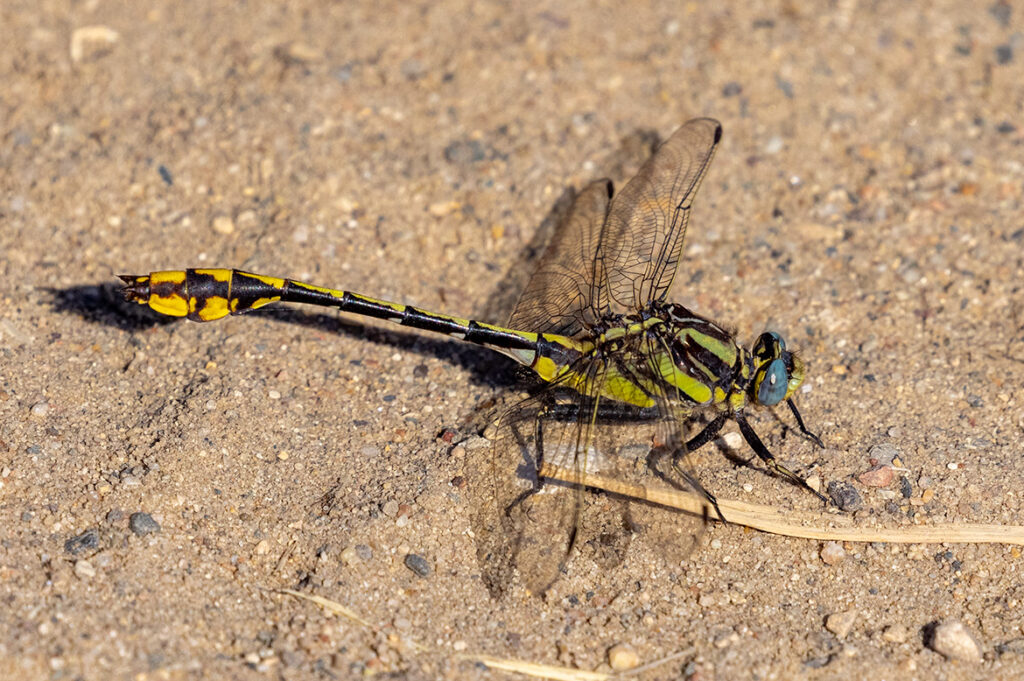
The point of the dragonfly’s
terrible lip, the giant water bug,
birdsong, or the beautiful dazzle
and flash of sunlighted minnows,
is not that it all fits together
like clockwork – for it doesn’t,
particularly, not even inside
the goldfish bowl – but that
it all flows so freely and wild,
like the creek, that it all surges
in such a free, fringed tangle.
Freedom is the world’s water
and weather, the world’s nourishment
freely given, its soil and sap:
and the creator loves pizzazz.
God Says Yes To Me – Kaylin Haught
I asked God if it was okay to be melodramatic
and she said yes
I asked her if it was okay to be short
and she said it sure is
I asked her if I could wear nail polish or not wear nail polish
and she said honey
she calls me that sometimes
she said you can do just exactly what you want to
Thanks God I said
And is it even okay if I don’t paragraph my letters
Sweetcakes God said
who knows where she picked that up
what I’m telling you is
Yes Yes Yes
Poetry
A Climbing Poem
When you didn’t come home
When I didn’t hear from you
I was strangely unafraid
Lonely for sure, but not afraid
I sensed where you were … more or less.
I called your office
They said your wife said
“You’d gone missing”
Though they were still searching.
I knew this might happen.
I waited for a phone message
Even email
None arrived
Then one day a postal card
With a foreign town’s cancel stamp
As the return address.
Your writing was teeny
And covered every inch of space.
It had directions.
I called my office the very next day
Told them I was leaving
Laughed with the receptionist
Who said she wanted to leave too
“Take my name,” I told her
And perhaps she did.
I left my not job
My not apartment
I had so very few strings
So few attachments
And I craved you so
There is more
I arrived at the airport
Used my credit card
To buy a one-way ticket
Dome money
Two plane rides
Three bus rides
When I got to the beach
At the bottom of the mountains
I pulled the post card from my pocket
As you asked me to
And read again
“Find the most beautiful beach
Follow the steepest road
Downhill is always the wrong direction
Pay attention to the smell of lavender
Look for pages of an old passport
Land snails climbing the highway reflector posts
Look for praying mantises
And note the direction they are pointing
See the flocks of dragonflies
Listen to the bells of goats
Listen for the biggest herd
The greatest range of bell sounds
Be that music
Walk on up, hard as it may be
Cyclists coming down will be singing
Cyclists going up will be saying “difficult”
This is a sign you are on the right road
Where the seeing-eye cacti stop growing is a church
You will see it from miles away
Four windows in the bell tower
High above the trees
Light pouring in
Real light
The priest will take you in
He will know nothing
But word of your being will seep out
And my shepherd will hear
He will go to confession
He will bind the Father
“Tell her only where to find Him,
Only tell her.”
And the father will,
“Passed the goldenrod,” he will say
“No one ever goes there
There are marigolds
Pine trees
A ladder straddles a fence
A stone house
The smell of freshly made cheese
Of sheep
A fire”
It is there you will find
A freshly made bed
Myrtle
Clean linen
The earthen floor swept clean
You may even find me
Or find dried bones.
Just in case
Bring the heart meds.
POETRY
A Reminder – found and slightly edited from the webpage of a Methodist Church
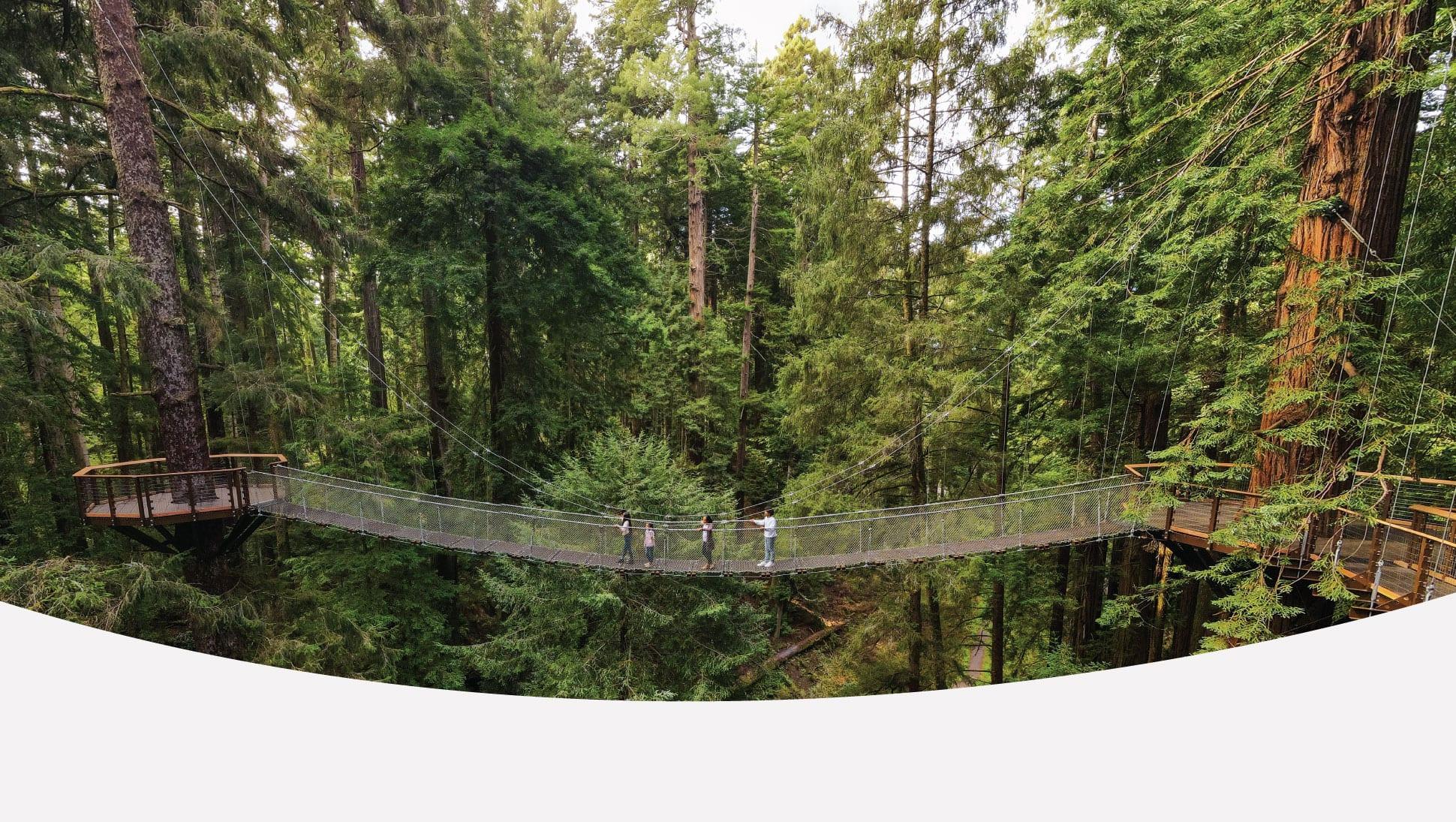
We live on a planet
where trees whisper
to one another
through mycelial networks.
Where octopuses with nine brains dream,
and whales with hearts the size of small pianos sing,
calling each other by name.
Where elephants mourn their lost,
standing in silent vigil
over the bones of their kin.
Where bees dance
to the flowers,
and crows remember faces
never forgetting a slight.
Where ants build vast metropolises,
cats purr at the exact frequency of healing,
and the forest’s first breath after a fire
is a bloom of flowers.
Beauty and wonder are everywhere.
Life far more then we can imagine
Far more than we can even dream.
Walk softly upon this earth
There is room for ever more miracles.
Poetry
I Couldn’t Find Today Today
I misplaced my car keys and phone
And couldn’t find today today.
My knowing that the sun
Had rerisen on a new day didn’t help,
Nor did attending a meeting
Scheduled for today
And conducted in my native language
Where I couldn’t understand
The meaning in this context
Of any of the words used
All of which I knew the meanings of.
Even the meaning of “and” and “or,”
And/or, more specifically,
And which and or or applied
To which criteria today
Was lost
Or couldn’t be found
Or agreed upon.
So we didn’t reach closure,
Someone said, “today,”
And the matter was put off
To another today,
The date of which also couldn’t be agreed upon
But at least had not yet been lost.
I hoped this poem would be lost
And/or should have been,
On the day I couldn’t find today,
But that today went on to become yesterday
And a future I imagined would exist
Became the tomorrows of today
The day I couldn’t find today
And I found this poem still there
Or here, today.
POETRY
spring – Safia Elhillo
it’s late now, it’s early, no way
to know which season it is
of the total years of my life,
weren’t we only just nineteen,
tonya & i, wasn’t she only just
alive, long-limbed & cross-legged
on my dorm room floor,
wasn’t it springtime of a year
so unlike this one, thirteen
years past, cool nights in line
outside the nuyorican hoping
to make it on the list, wasn’t it
a friday night like this one
& the only people i wanted to love
were poets, earrings swaying
against their necks, dancing
in the dark of the room where we
all knew each other’s secrets, weren’t
we all just at that party, wasn’t i only
just eighteen, pointed northward
on a chinatown bus to that city,
to watch ai elo onstage at the apollo,
wasn’t she only just alive, smoking
with camonghne, asking me my favorite
song, cackling on the apartment floor,
on the air mattress we used as a couch,
how is it that it was long ago, how is it
i am on the other side of it, long ago, how
did i leave that city, that time when we
were all together, everyone alive,
wasn’t the dream to be a poet, wasn’t
the plan to live forever, our powers
newly acquired, newly in love
with what we could do, didn’t we all
belong to each other, to that work,
going after to the pizza shop
to recite what we’d memorized,
weren’t we all just there, wasn’t it warm
outside, wasn’t the road long & clear,
isn’t it early still, isn’t it late, & why
am i still here, did i survive or was i left
behind, & what season is it that we are
no longer together & some of us have gone?

Poetry

Wendell Berry – Enriching the Earth
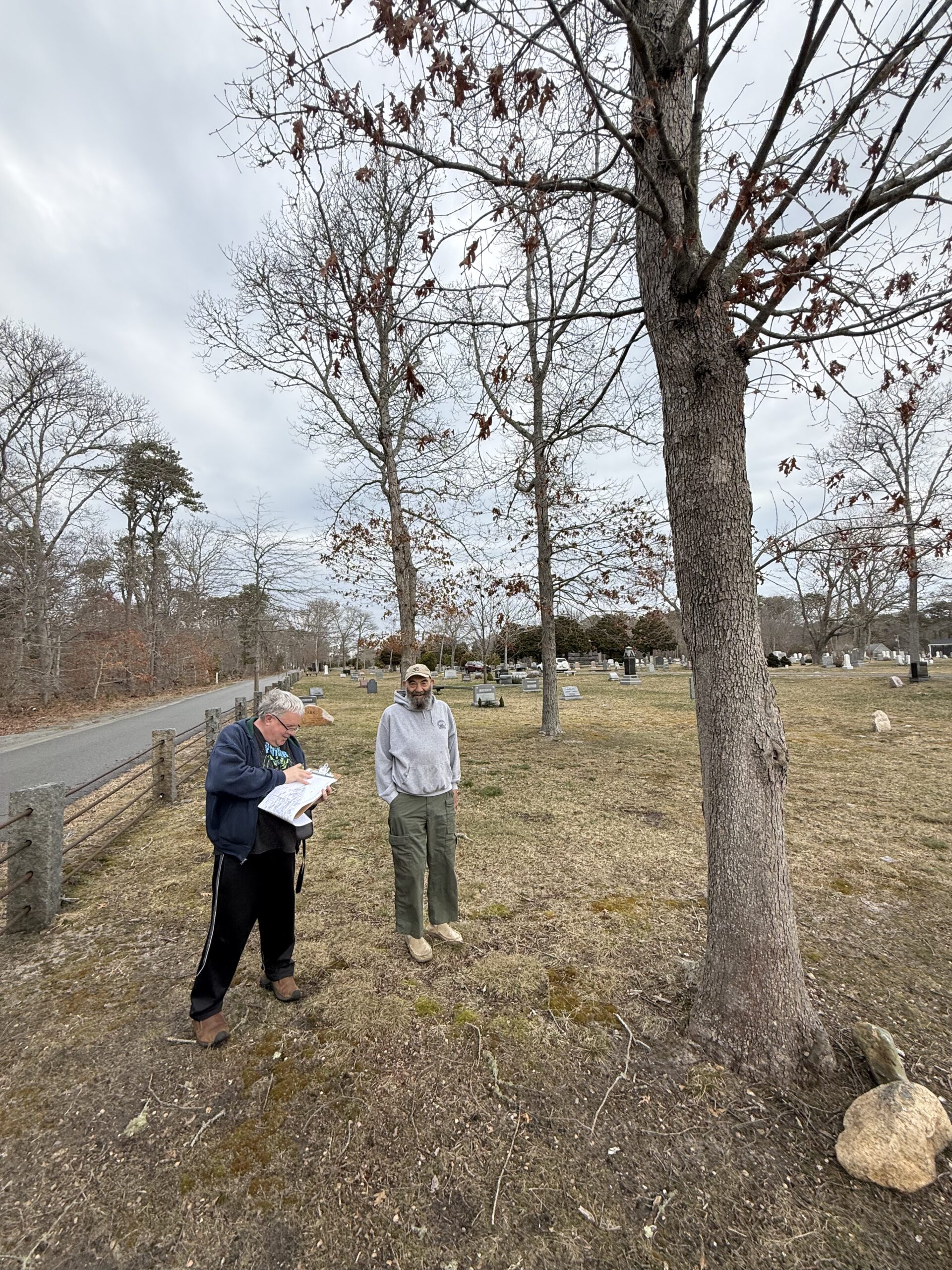
To enrich the earth I have sowed clover and grass
to grow and die. I have plowed in the seeds
of winter grains and various legumes,
their growth to be plowed in to enrich the earth.
I have stirred into the ground the offal
and the decay of the growth of past seasons
and so mended the earth and made its yield increase.
All this serves the dark. Against the shadow
of veiled possibility my workdays stand
in a most asking light. I am slowly falling
into the fund of things. And yet to serve the earth,
not knowing what I serve, gives a wideness
and a delight to the air, and my days
do not wholly pass. It is the mind’s service,
for when the will fails so do the hands
and one lives at the expense of life.
After death, willing or not, the body serves,
entering the earth. And so what was heaviest
and most mute is at last raised up into song.
Poetry